
How insurers build your premium
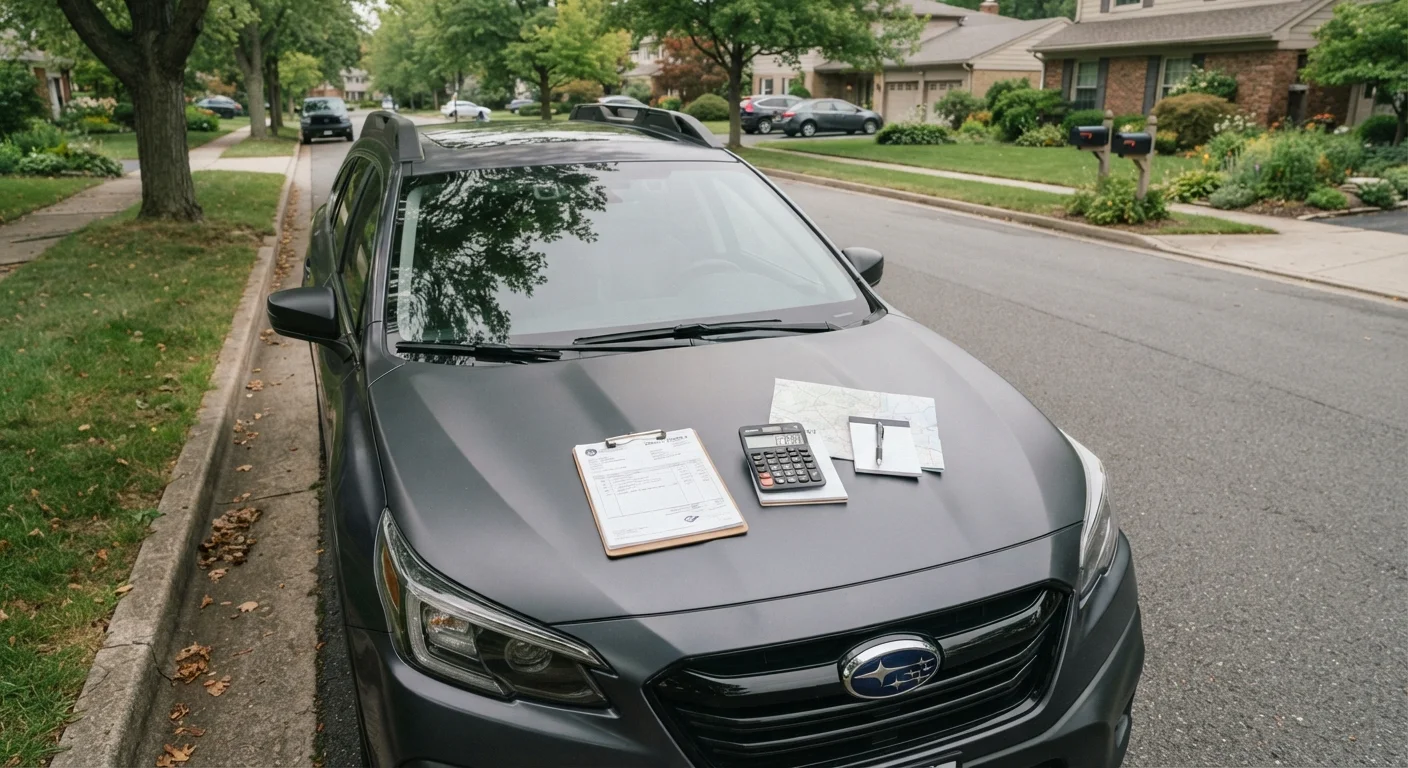
When an insurer sets your rate, it is calculating the likelihood that you will file a claim and estimating how much that claim might cost. Every factor below feeds into that calculation. No single item determines your premium; the final number comes from how all of them interact.
This article is general information about how auto insurance pricing works. Actual rates vary by insurer and state. For guidance on your specific situation, consult a licensed insurance agent.
| Factors in rate calculation | Driving record, credit history, vehicle type, location, coverage chosen, and more |
| How long violations typically affect rates | 3 to 5 years for most moving violations |
| States that ban credit-based insurance scoring | California, Hawaii, Maryland, Massachusetts, Michigan, and others |
| Mileage threshold often used for low-mileage discounts | Commonly around 7,500 to 10,000 miles per year |
| Who sets minimum coverage requirements | Each state individually |
Your driving record and claims history
Insurers treat your driving record as the most direct evidence of risk. At-fault accidents, speeding tickets, DUI convictions, and other moving violations typically raise your rate. How much depends on the severity of the incident and how recently it happened. Most violations affect pricing for three to five years, though serious offenses can stay on record longer.
Claims history matters separately from violations. Filing claims, even ones that were not your fault, can influence your rate with some insurers. See how insurers factor claims into pricing for a fuller explanation of what happens after you file.
Personal factors insurers commonly use
Beyond your record, insurers look at several personal characteristics that actuarial data associates with claim frequency or cost.
- Age: Younger drivers, especially teenagers, pay more because crash rates are statistically higher in that age group. Rates generally drop through a driver's mid-twenties and stay relatively stable through middle age.
- Credit-based insurance score: Most states allow insurers to use a version of your credit history to help set rates. This is different from your credit score used by lenders, though it draws on similar data. Learn where else your credit information shows up.
- Marital status: Married drivers tend to file fewer claims than single drivers of the same age, so some insurers price policies accordingly. Not every state permits this practice.
- Gender: A handful of states have restricted or banned the use of gender in pricing. Where it is allowed, young male drivers typically pay more than young female drivers of the same age.
Your vehicle and how you use it
The car itself matters as much as who drives it. Insurers look at the cost to repair or replace the vehicle, its safety record, and how likely it is to be stolen.

A newer, more expensive car costs more to repair after a collision, which raises the comprehensive and collision portions of your premium. Vehicles with strong crash-test ratings can sometimes offset that cost. Certain models also appear on theft lists, which affects comprehensive coverage pricing.
How much you drive each year is another factor. A driver who covers 20,000 miles annually has more exposure to accidents than one who drives 7,000. Some insurers offer lower rates for low-mileage drivers, and usage-based programs can track actual miles driven through a mobile app or plug-in device.
Where you park overnight matters too. A ZIP code with high accident rates, dense traffic, or elevated vehicle theft rates will carry a higher base rate than a rural area with lighter traffic. State minimums also vary, which affects how much coverage you are required to carry in the first place.
Coverage choices and policy structure
The coverage you select directly affects your premium. Carrying only the state-required minimum liability limits costs less than adding comprehensive, collision, uninsured motorist, or medical payments coverage. If you finance or lease a vehicle, your lender may require certain coverages regardless of what you would choose on your own.
Your deductible, which is the amount you pay out of pocket before insurance covers a claim, also moves your premium. A higher deductible lowers the premium; a lower deductible raises it. The same trade-off applies in other lines of insurance. How deductibles work in home insurance explains the concept in another context if you want a comparison.
If you are buying insurance for the first time, a step-by-step walkthrough of the full process can help you understand what decisions to make before you get a quote.