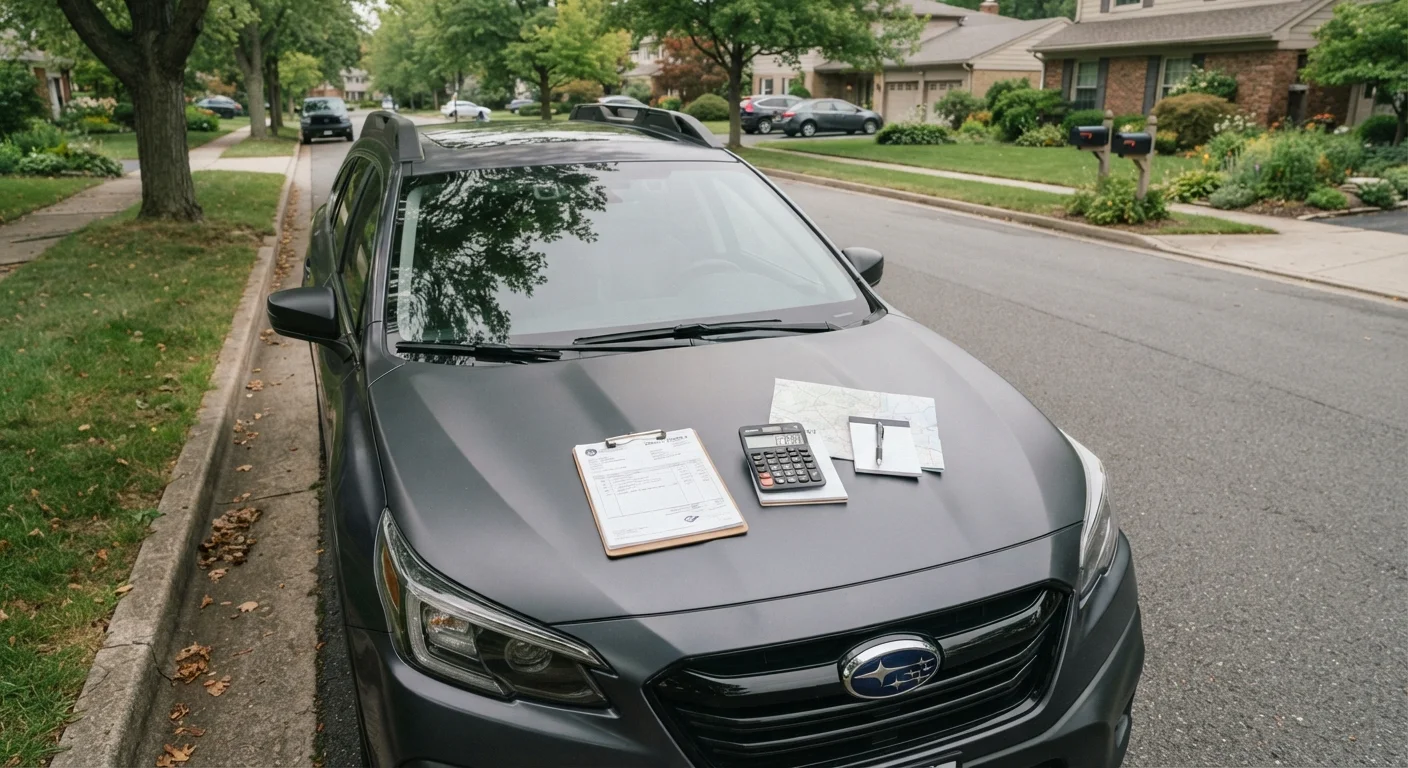

Your credit score goes further than your lender
Most people think of a credit score as a borrowing number, something a bank checks before approving a mortgage or a car loan. That framing is accurate but incomplete. The same three-digit figure, and the detailed report behind it, gets reviewed in several corners of everyday life that have nothing to do with debt.
Understanding where your score appears helps you treat it as a general financial health signal rather than a one-time concern before a big purchase. The sections below cover the most common non-borrowing contexts where credit history matters, and what each one actually looks at.
This article is for general informational purposes only and is not personalized financial or legal advice. Consult a licensed financial adviser or attorney for guidance specific to your situation.
Where your credit history shows up
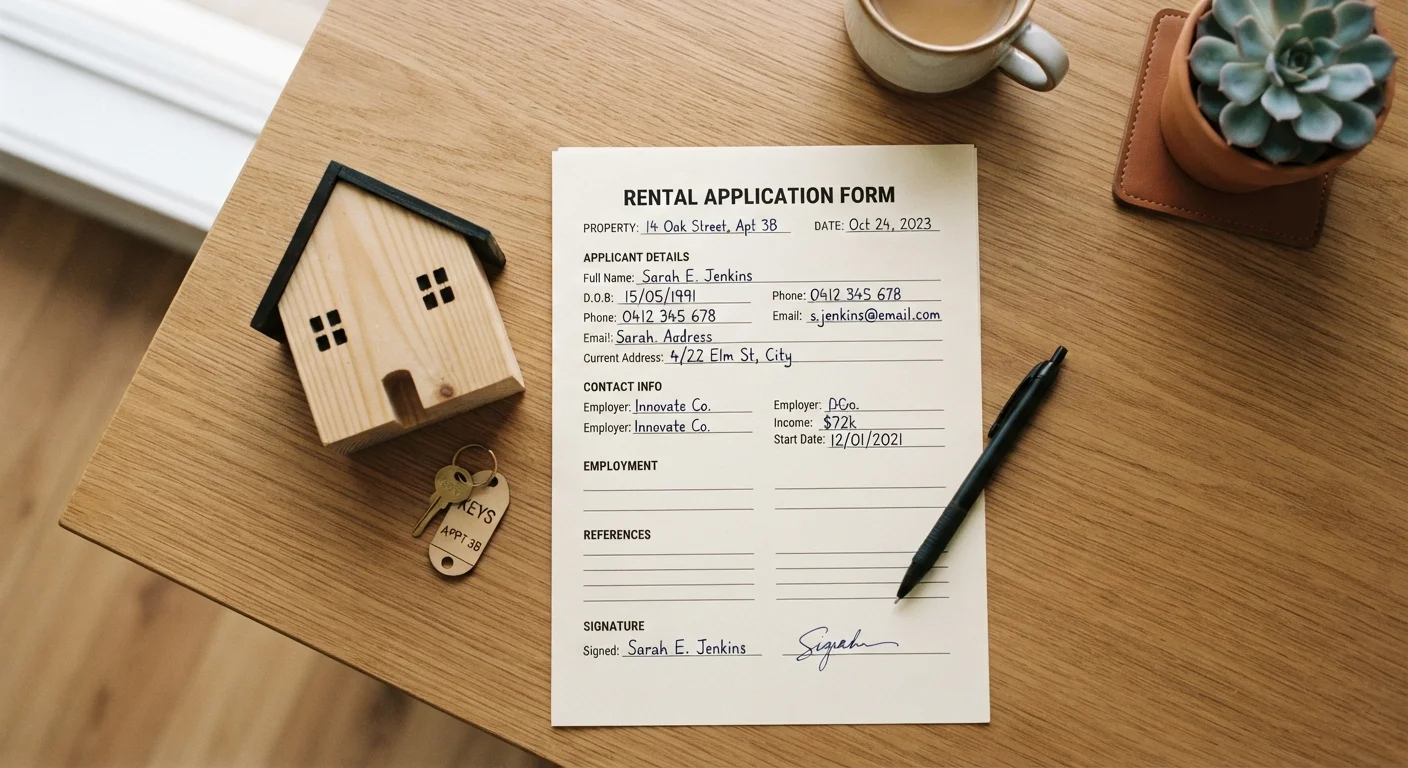
Rental housing applications
When you apply to rent an apartment or house, most landlords and property management companies run a credit check as part of the screening process. They are generally looking for patterns: a history of on-time payments suggests you will pay rent reliably; a record of collections or evictions raises concern.
Landlords typically pull a full credit report rather than just a score, so the details matter. A thin credit file (not enough history to generate a score) can be just as problematic as a low one, because it gives the landlord nothing to evaluate. Some landlords will accept a co-signer or a larger security deposit as an alternative.
A thin credit file can be as problematic as a low score when a landlord has nothing to evaluate.
Auto and home insurance premiums
In most U.S. states, insurers are permitted to use a credit-based insurance score when calculating premiums for auto and homeowners policies. A credit-based insurance score is not identical to the score a lender sees; it is a separate model built from similar underlying data but weighted toward predicting claim likelihood rather than loan repayment.
The practical effect is that two drivers with identical driving records may pay different auto insurance rates if their credit histories differ. A handful of states, including California, Hawaii, and Massachusetts, prohibit or restrict this practice for auto insurance. Learn which factors insurers weigh when setting your auto insurance rate, including how credit fits into that picture.
Two drivers with identical records may pay different premiums if their credit histories differ.
Employment background checks
Some employers, particularly for roles that involve handling money, sensitive financial data, or security clearances, include a credit history review as part of a background check. Under the Fair Credit Reporting Act (FCRA), an employer must get your written permission before pulling your credit report, and must notify you if the report played a role in a negative hiring decision.
Employers do not see your credit score, only the underlying report. They are generally looking for signs of financial instability that might be relevant to the specific job, not penalizing ordinary debt. At least eleven states and several cities have passed laws limiting when employers can use credit history in hiring decisions, so the rules vary by location.
Employers must get written permission before pulling your credit report under federal law.
Utility service deposits
Electric, gas, water, and internet providers sometimes check credit when you set up a new account. If your credit history is limited or shows past problems, the provider may require a security deposit, often equal to one or two months of estimated service costs, before activating service.
This deposit is typically refundable after a period of on-time payments, often twelve months. The check itself is usually a soft inquiry, meaning it does not affect your credit score. If you are setting up utilities for the first time and have little credit history, asking about the deposit policy upfront helps you budget accordingly.
Utility providers may require a refundable deposit if your credit history is thin or shows past issues.
Cell phone plans and device financing
Postpaid wireless plans, where you pay after using service each month, almost always involve a credit check. Carriers use it to decide whether to approve the plan and whether to extend financing for a device. If your credit history is limited, you may be approved only for a prepaid plan (pay before you use) or asked for a deposit.
Device financing through a carrier is effectively an installment loan, so it appears on your credit report and affects your score just as any other loan would. If you are building credit, paying that installment on time each month contributes positively to your payment history.
Device financing through a carrier appears on your credit report and affects your score like any loan.
Lender requirements tied to insurance
When you finance or lease a vehicle, the lender typically requires specific insurance coverage, and your credit profile can affect the cost of meeting those requirements. A lower credit-based insurance score may raise your premium at exactly the moment you have the least flexibility to absorb a higher monthly cost.
Understanding the connection between your credit history and insurance costs before you apply for financing gives you a more complete picture of the total monthly obligation. See how lender-required coverage compares to what you might choose on your own to understand where the two diverge.
A lower credit-based insurance score can raise your premium when financing leaves the least room for it.
Soft vs. hard inquiries
Most non-lending credit checks, including those for rentals, employment, utilities, and insurance, are soft inquiries. Soft pulls do not affect your credit score and are visible only to you on your own report. Hard inquiries, which occur when you apply for credit, can lower your score slightly and remain on your report for two years. If you are unsure which type a company intends to run, ask before consenting.
What you can do with this information
None of these uses require you to have a perfect score. What matters is consistency: paying on time, keeping credit card balances reasonable relative to your limits, and catching errors on your report before they create problems elsewhere.
You can request a free copy of your credit report from each of the three major bureaus (Equifax, Experian, and TransUnion) once every twelve months through AnnualCreditReport.com, the federally authorized source. Reviewing it once a year takes roughly fifteen minutes and can surface mistakes, old accounts, or unfamiliar entries worth disputing.
Knowing that insurers may weigh your credit history when setting premiums is also useful context when you shop for coverage. See the full range of factors that go into an auto insurance rate to understand how credit fits alongside driving record, vehicle type, and location.