Why automation helps, and where it falls short
Automation removes friction from routine money tasks. When a savings transfer or bill payment happens on a fixed schedule, you do not have to remember it, and you are less likely to skip it during a busy week. That consistency is the main benefit.
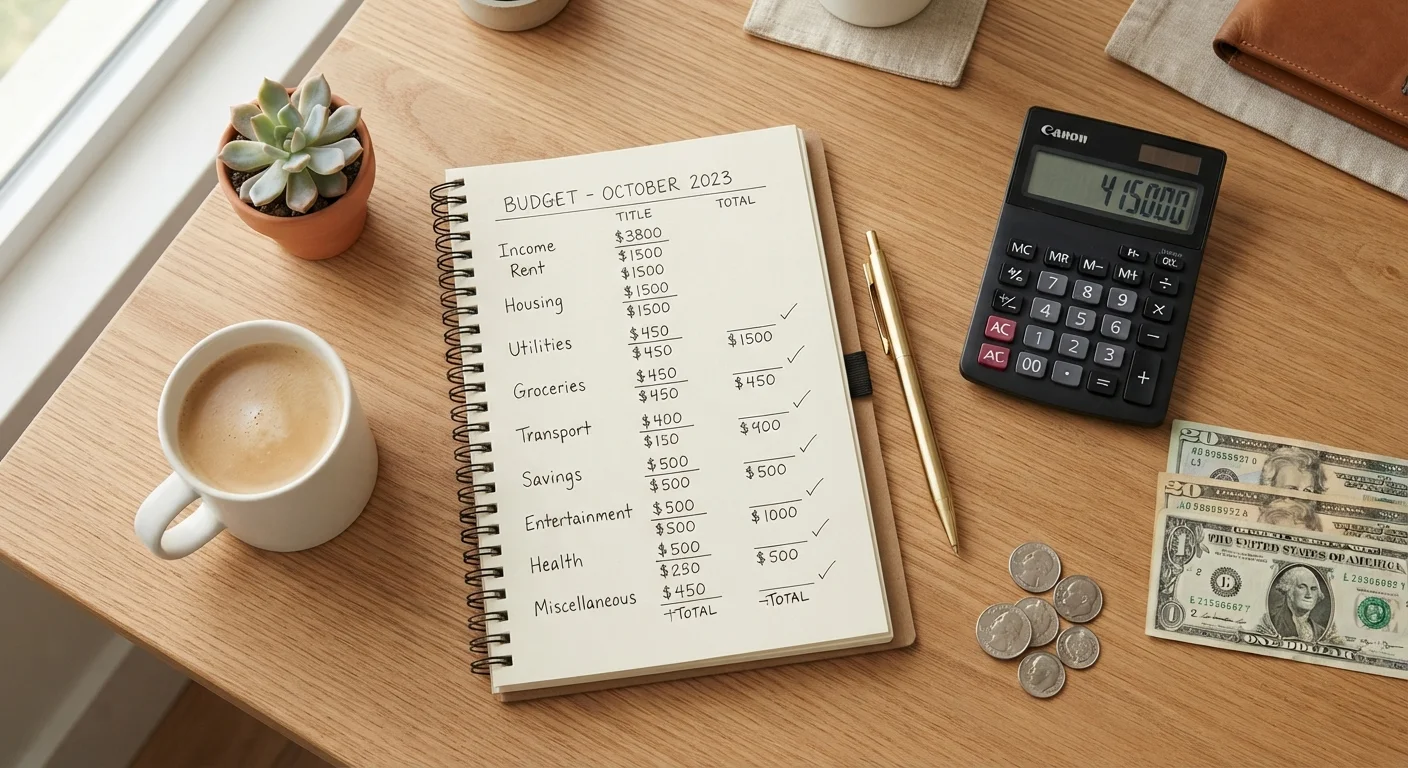
The limit of automation is that it cannot judge whether your finances have changed. A transfer sized for last year's income, a subscription you forgot you signed up for, or a bill that jumped in price will keep running without any signal. Automation does not replace understanding your money; it handles the mechanics once you have set the right amounts and rules. If you have not yet mapped where your income goes, start with understanding a personal budget before wiring up recurring transfers.
What to automate first
Some categories are straightforward candidates because the amounts are fixed and the consequences of missing them are clear.
Fixed monthly bills. Rent or mortgage payments, car loans, and insurance premiums have a set amount due on a set date. Automating these removes late-payment risk on obligations that directly affect your credit report or housing stability.
Retirement contributions. If your employer offers a payroll deduction to a 401(k) or similar plan, that money moves before you see it, which makes it the most reliable form of automated saving. If you contribute to an IRA separately, a recurring transfer timed to your pay date works the same way. For context on how contribution timing affects long-term outcomes, see what late starters should know about retirement savings.
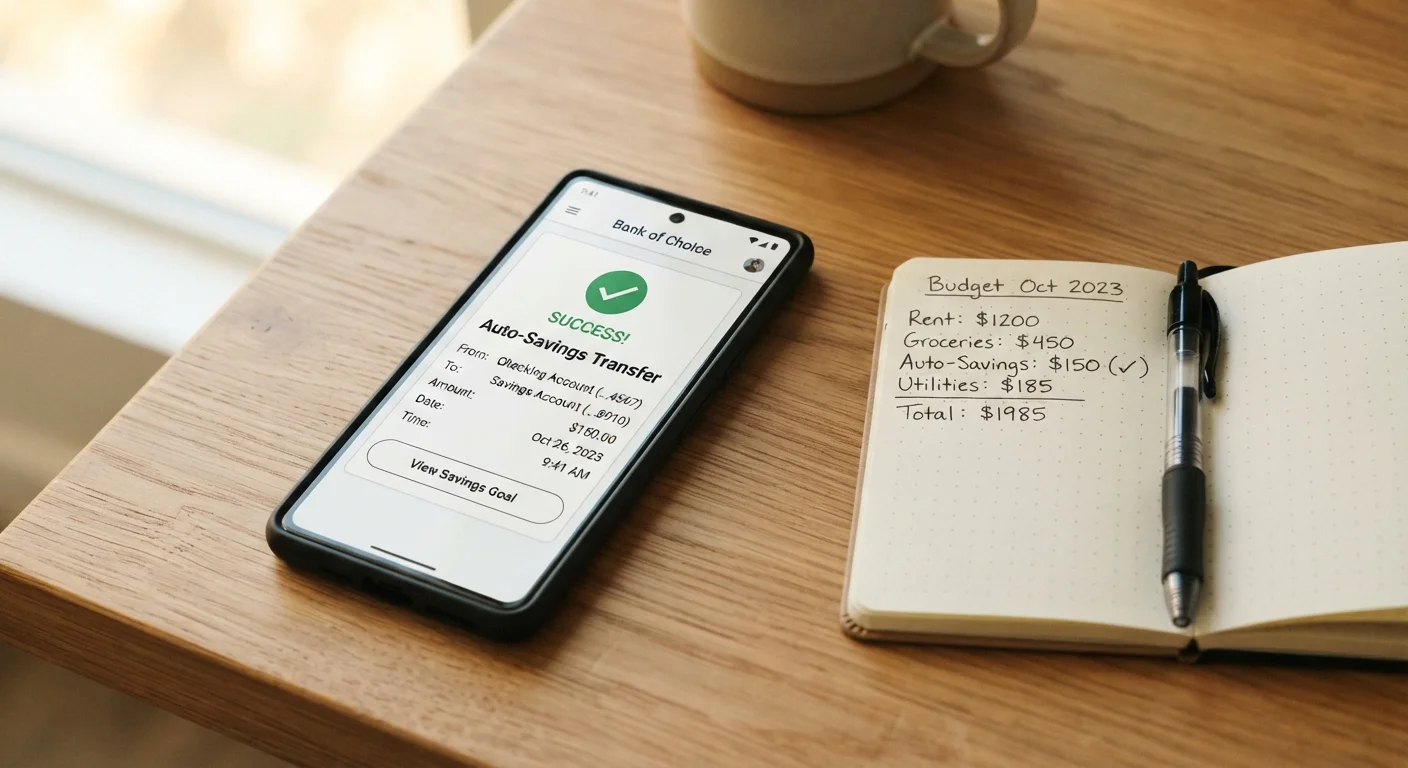
Emergency fund transfers. A fixed transfer to a separate savings account each pay period builds a cash buffer without requiring a monthly decision. Even a small recurring amount accumulates over time.
Minimum debt payments. Automating at least the minimum on credit cards and loans protects your credit score and avoids penalty rates. If you can pay more, you can send additional payments manually. For strategies on extra payoff when cash is limited, see paying down debt on a tight budget.
Automate savings transfers on the same day as your direct deposit
Money that moves to savings immediately after a paycheck arrives is less likely to be absorbed by discretionary spending. Timing the transfer to the deposit date removes the need for a separate decision each pay period.
Set up low-balance alerts on every account with automated withdrawals
Automated payments can overdraw an account if an unexpected charge or timing shift leaves the balance short. Alerts give you time to move funds before a payment processes, avoiding overdraft fees.
Review all automated amounts after any income change
Contributions and transfers sized to an old income may either strain a reduced budget or underperform against new financial goals. Recalibrating after a raise, job change, or expense shift keeps the system accurate.
Keep a simple log of every automated payment and its expected amount
Without a record, it is easy to lose track of what is running automatically, particularly subscriptions added over several years. A log makes the monthly check-in faster and reduces the chance of a forgotten charge going unnoticed.
What to leave on manual review
Variable bills are risky to automate without a ceiling. Utility charges, medical bills, and usage-based subscriptions can change month to month. If you automate a full-balance payment on a utility account and the charge spikes due to an error, you have already paid before catching it. Reviewing these manually or setting up alerts rather than auto-pay gives you a window to dispute incorrect charges. For a breakdown of what utility line items actually mean, see understanding your utility bills.
Subscriptions with annual renewals also warrant manual attention. These often increase at renewal without prominent notice, and auto-pay can lock in a higher rate before you decide whether the service is still worth it.
Keeping automation accurate over time
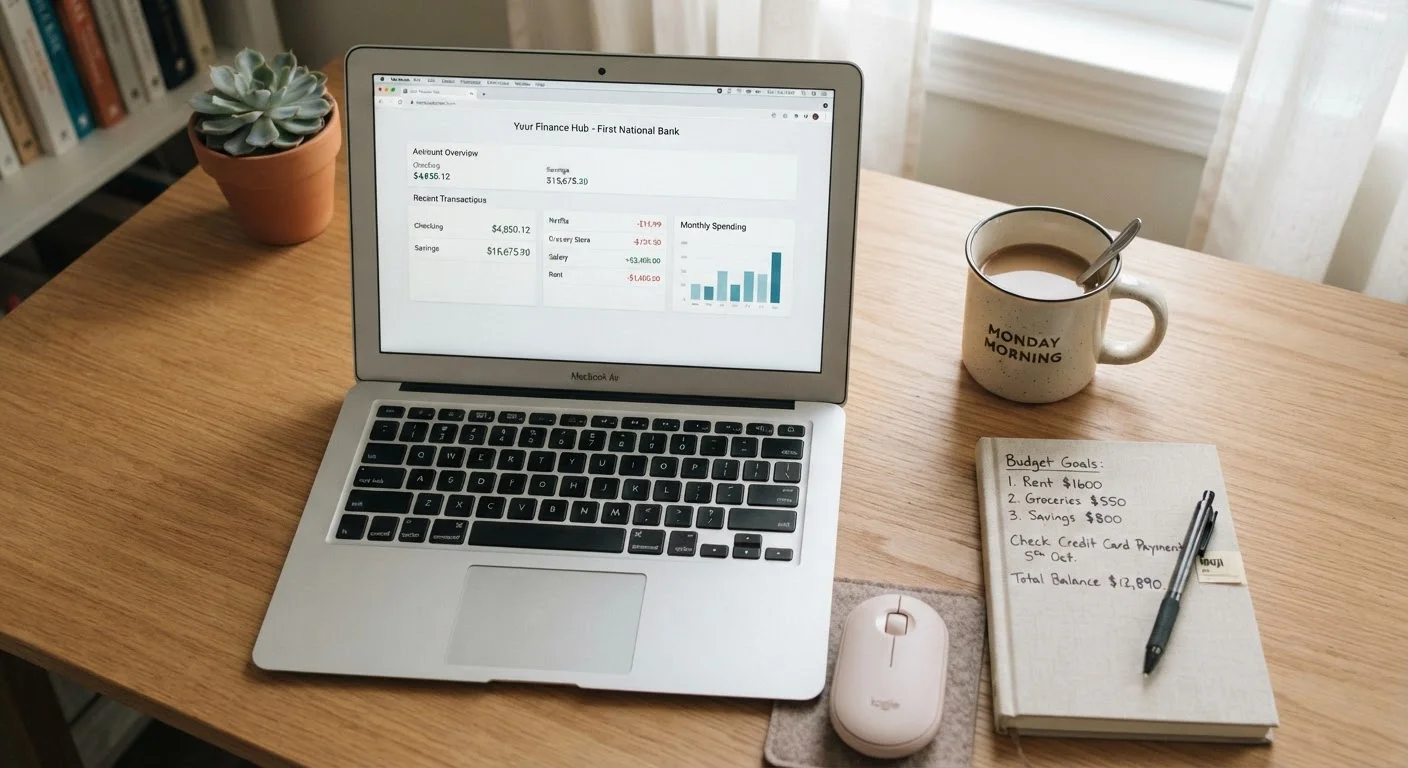
Set a recurring monthly check-in, even a short one, to scan your bank and credit card statements. You are looking for three things: transactions you do not recognize, amounts that have changed, and balances that are running lower than expected before your next paycheck.
Once a year, do a fuller review. Confirm that contribution amounts still match your goals, that savings targets reflect any income changes, and that you are not still paying for services you no longer use. The annual financial check-in checklist is a practical starting framework for that process.
If you notice spending patterns that suggest automation has made it easy to overlook outflows, review the signs you may be living beyond your means to catch drift early.
This article is for general informational purposes only and does not constitute personalized financial advice. Consult a licensed financial professional for guidance specific to your situation.