The anatomy of a utility bill
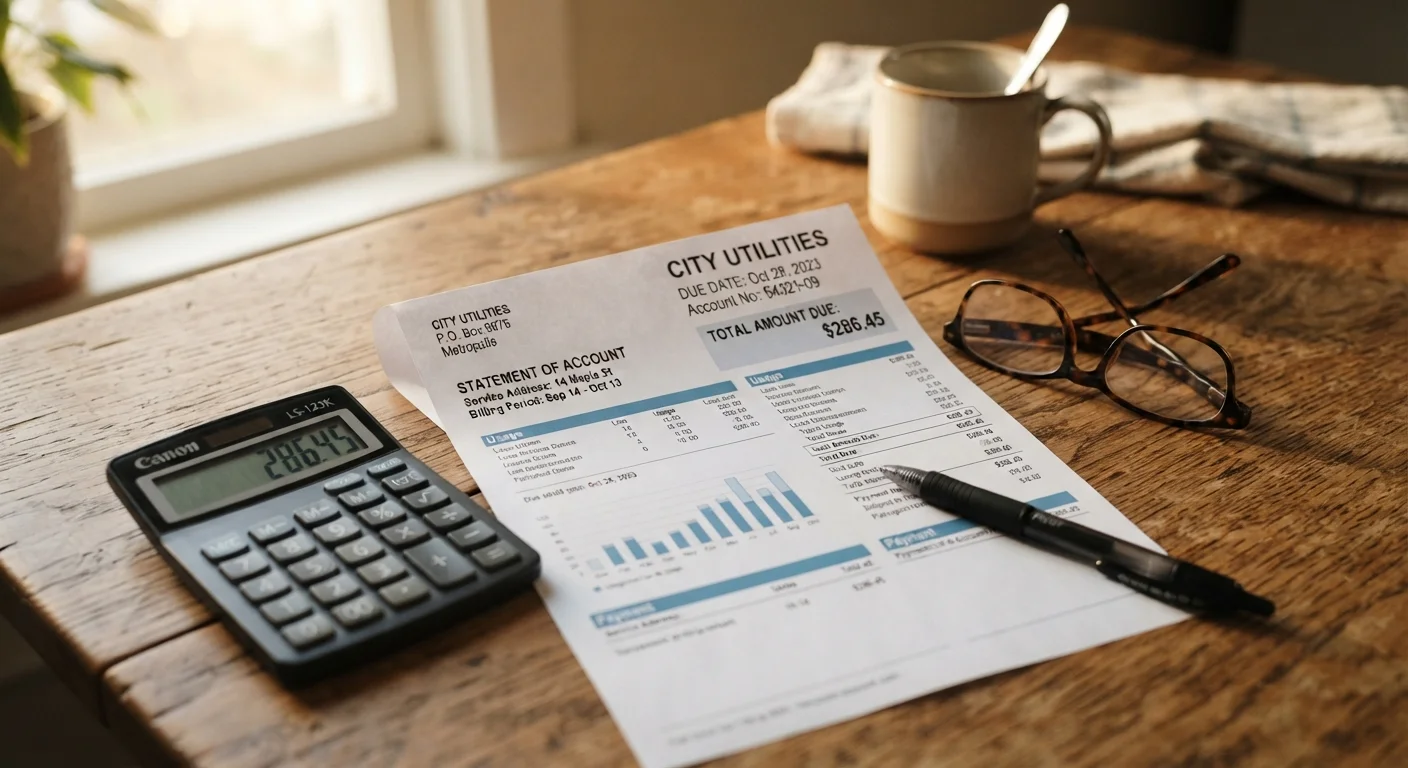
Utility bills, whether for electricity, natural gas, or water, rarely show a single number. Most break costs into several line items, and each one follows its own calculation method. Knowing what each charge represents helps you spot billing errors and understand which costs you can influence through your habits.
Bills typically separate two categories: fixed charges and variable charges. Fixed charges appear every month regardless of how much you use. Variable charges change based on your consumption. Some bills also include riders, taxes, and fees that fall outside both categories.
| Common utility types billed separately | Electricity, natural gas, water and sewer, stormwater |
| Standard electricity consumption unit | Kilowatt-hour (kWh) |
| Standard natural gas consumption units | Therm or hundred cubic feet (Ccf) |
| Fixed charge example | Customer/service charge: same amount every month regardless of usage |
| Variable charge example | Energy charge: calculated by multiplying your kWh used by the rate |
| Who regulates utility rates | State public utility commissions (varies by state) |
Electric bill charges explained
The energy charge (also called the consumption charge) is the amount you pay per kilowatt-hour (kWh) of electricity used. It is usually the largest portion of your bill. Some utilities apply a tiered rate structure, where the price per kWh increases after you pass a certain usage threshold.
The distribution charge covers the cost of delivering power through local power lines to your home. Even if you generate solar power and send energy back to the grid, you typically still pay this charge because you remain connected to the distribution network.
The transmission charge pays for moving electricity across high-voltage lines from power plants to local substations. This is separate from distribution, which handles the final delivery.
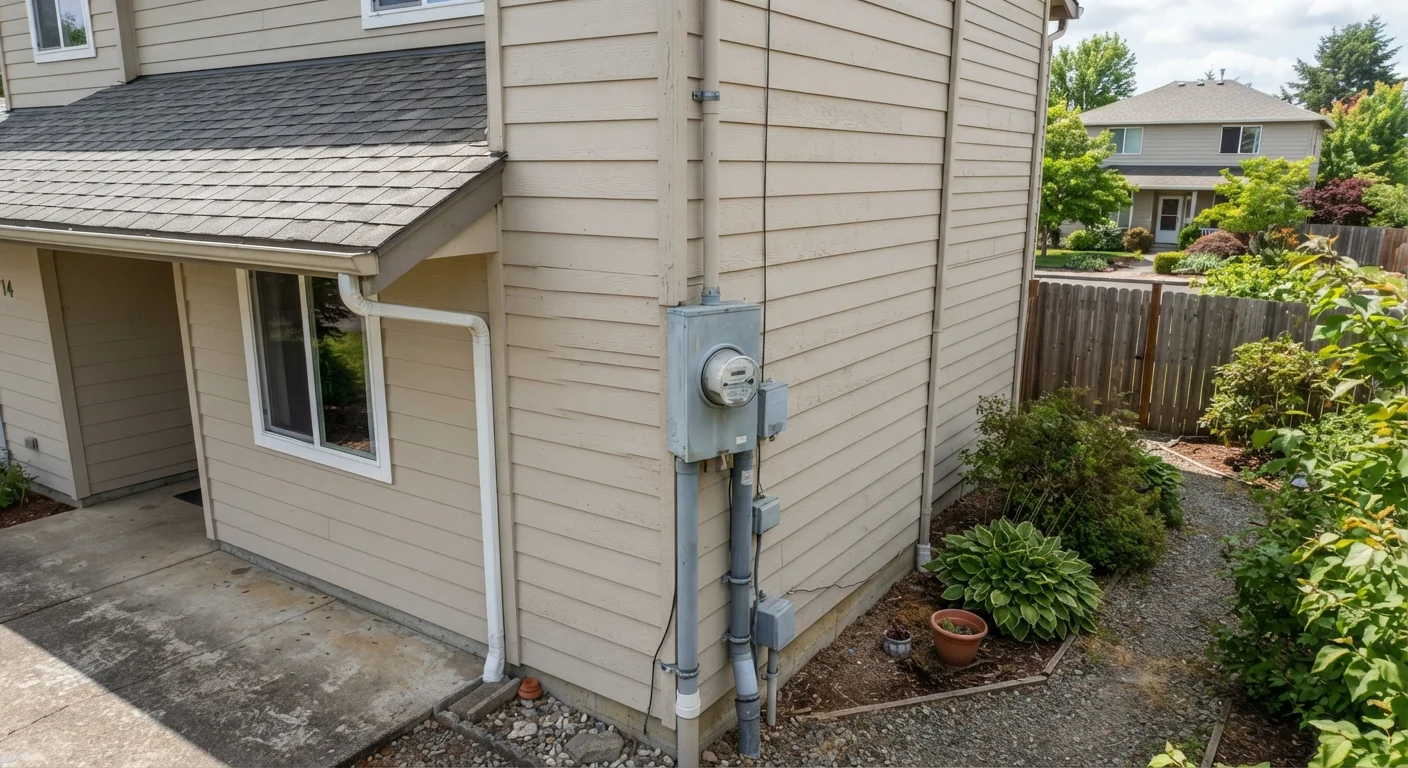
Many bills also include a customer charge (sometimes called a service charge or base charge): a flat monthly fee that covers meter reading, billing, and account maintenance. This charge does not depend on usage at all.
Riders are smaller line items that fund specific programs, such as renewable energy development, low-income assistance programs, or infrastructure upgrades. State utility commissions typically approve these costs. See our home energy efficiency guide for context on how usage habits affect the variable portion of these charges.
Kilowatt-hour (kWh)
The standard unit for measuring electricity consumption. One kWh equals 1,000 watts of power used for one hour.
Therm
A unit used to measure natural gas consumption. One therm equals approximately 100,000 British thermal units (BTUs) of heat energy.
Distribution charge
A fee that covers the cost of delivering electricity or gas through local infrastructure to your home or building.
Customer charge
A flat monthly fee on utility bills that covers account administration, meter reading, and billing. It does not vary with usage.
Rider
A small additional charge on a utility bill that funds a specific program or cost, such as infrastructure upgrades or low-income assistance. Riders are approved by state regulators.
Purchased gas adjustment (PGA)
A periodic rate adjustment on natural gas bills that reflects changes in the wholesale price of gas. It allows utilities to pass fuel cost changes through to customers between full rate cases.
Gas and water bill charges explained
Natural gas bills use a similar structure. The commodity charge is the cost of the gas itself, priced per therm or per hundred cubic feet (Ccf). The delivery charge covers pipeline infrastructure. A flat customer charge also appears on most gas bills.
Some utilities apply a purchased gas adjustment (PGA): a periodic rate change that reflects shifts in the wholesale price of natural gas. Because utilities pass fuel costs through to customers, this line item can move your bill noticeably during periods of market price change.
Water bills generally charge per hundred cubic feet or per thousand gallons used. Many municipalities also include a sewer charge on the same bill, calculated as a percentage of your water consumption on the assumption that most water used indoors eventually enters the sewer system. A stormwater fee, if present, covers drainage infrastructure and is often a fixed monthly amount unrelated to your personal water use.
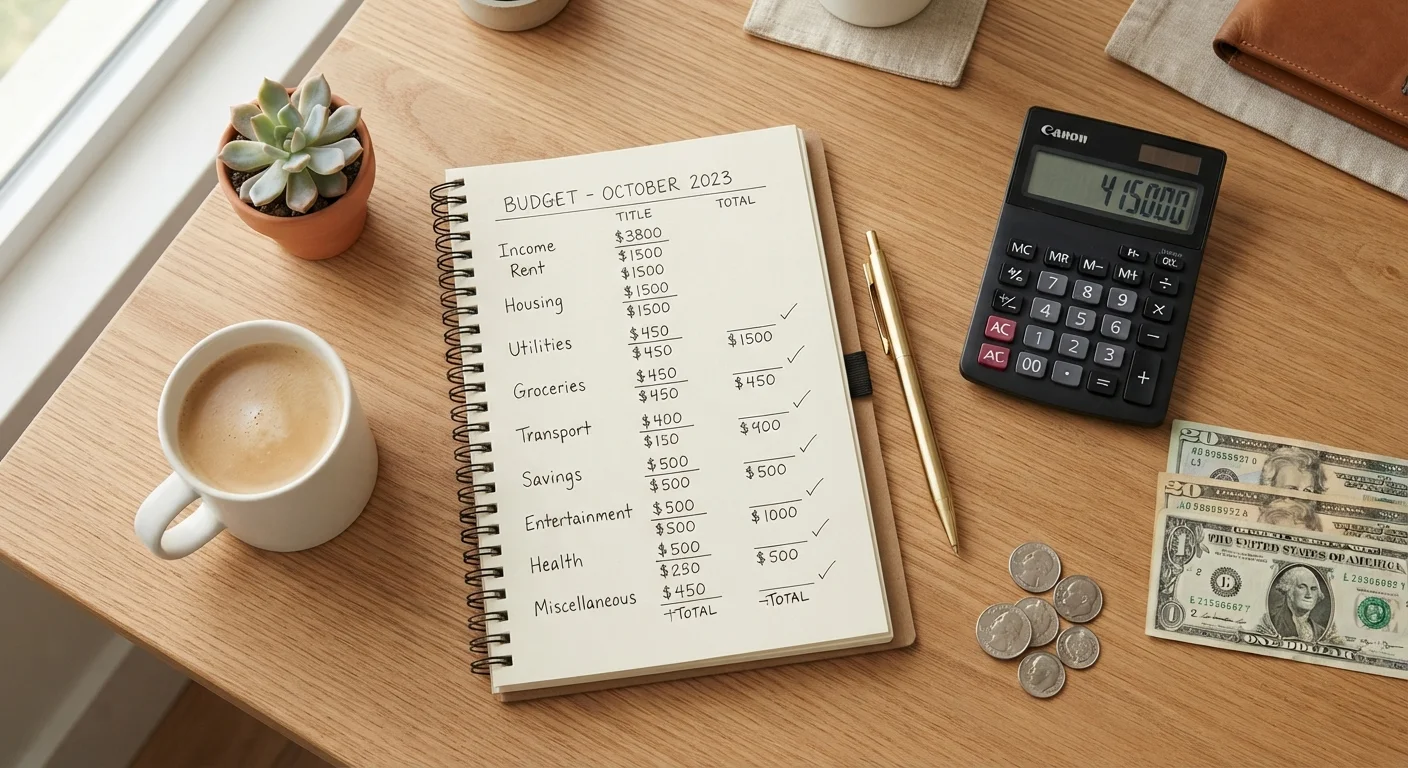
Understanding these charges connects directly to broader budget planning. If utility costs are a significant line item in your household spending, tracking them within a personal budget can clarify where your money actually goes each month. If bills feel consistently unmanageable, recognizing the signs of overspending is a reasonable next step.
Taxes, fees, and what to check for errors
Beyond usage and delivery charges, most bills include state and local taxes, franchise fees (which utilities pay to operate in a municipality and pass on to customers), and sometimes a gross receipts tax. These are generally non-negotiable but are worth noting because they can add 10 to 20 percent to the subtotal.
Billing errors do occur. Common ones include estimated reads that do not match your actual meter, a wrong rate tier applied to your account, or charges that belong to a previous tenant. If a month's bill is significantly higher than usual without a clear reason in your usage, contact your utility's customer service and request a bill review. You have the right to ask how each charge was calculated.
Automating bill payment can prevent late fees, though it works best when paired with regular reviews. Automating your finances covers how to set up automatic payments while still catching unexpected changes in your charges.