Why some improvements move the needle more than others
Energy bills reflect how well a home holds conditioned air, how efficiently it heats water, and how much electricity appliances and lighting draw. Not every upgrade addresses these equally. Some changes cost very little and deliver consistent returns. Others require significant investment and depend heavily on factors like climate zone, home age, and existing insulation levels.
This article covers the improvements that tend to have the most impact on monthly energy costs for typical American homes. Results vary, and no upgrade guarantees a specific dollar reduction. If you are setting up a home for the first time, understanding which services to prioritize early can help you sequence these decisions sensibly.
Air sealing throughout the building envelope
Gaps around windows, doors, electrical outlets, plumbing penetrations, and attic hatches allow conditioned air to escape continuously. The U.S. Department of Energy notes that air leakage can account for 25 to 40 percent of heating and cooling energy use in many homes. Sealing these gaps with caulk, weatherstripping, or spray foam is among the least expensive efficiency measures available, often costing under $100 in materials for a do-it-yourself approach on accessible areas.
Air sealing works best when done alongside insulation improvements, since insulation alone does not stop air movement through gaps.
Air leakage can account for 25 to 40 percent of heating and cooling energy use in many homes.
Insulation in the attic and walls
Heat moves toward cold. In winter, that means heat inside the home migrates outward through the ceiling, walls, and floor. In summer, the process reverses. Adequate insulation slows this transfer, reducing how hard heating and cooling equipment must work.
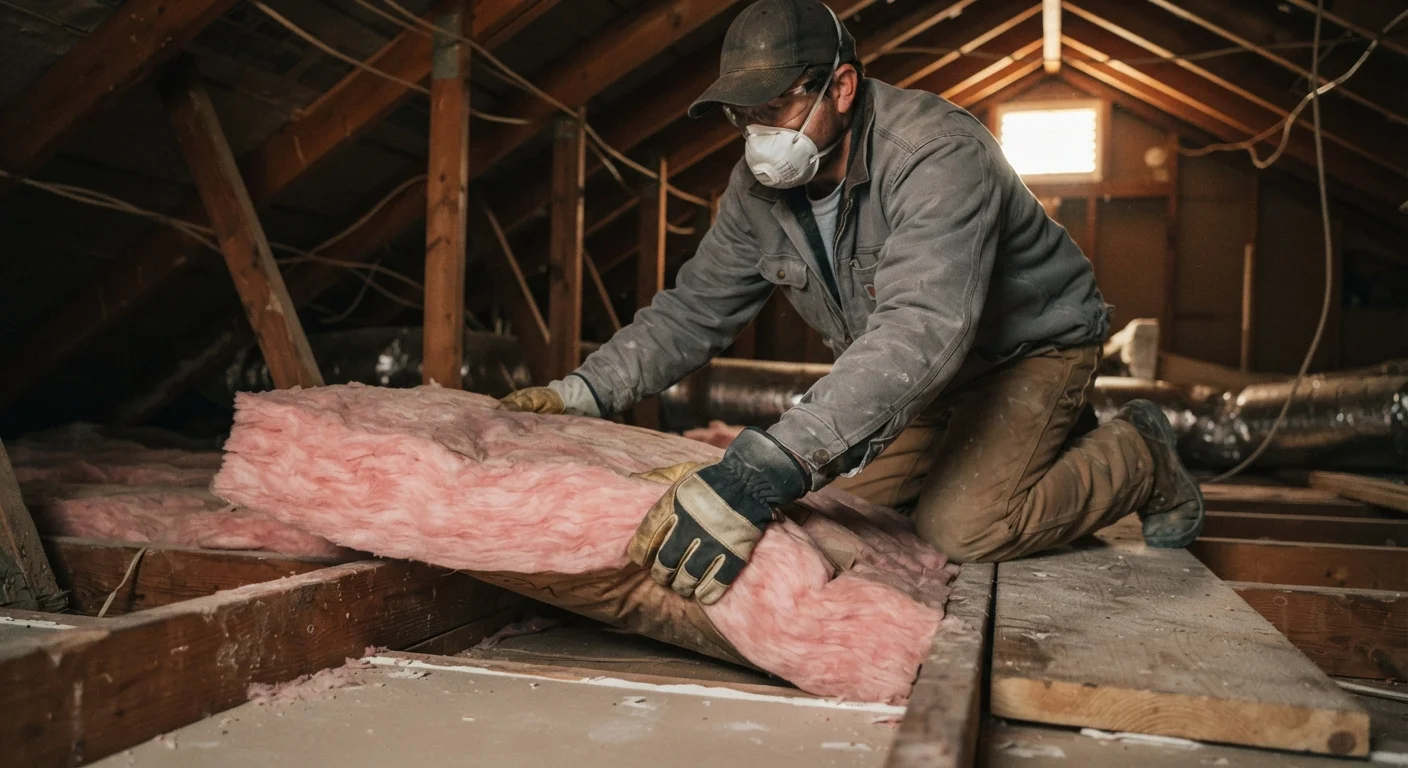
Attic insulation tends to offer the best return among insulation upgrades because heat rises and attic bypasses are common in older homes. The U.S. Department of Energy publishes recommended insulation levels (measured in R-value, which describes thermal resistance) for each climate zone. Homes built before 1980 often fall well below current recommendations.
Attic insulation tends to offer the best return among insulation upgrades in older homes.
Smart thermostat installation
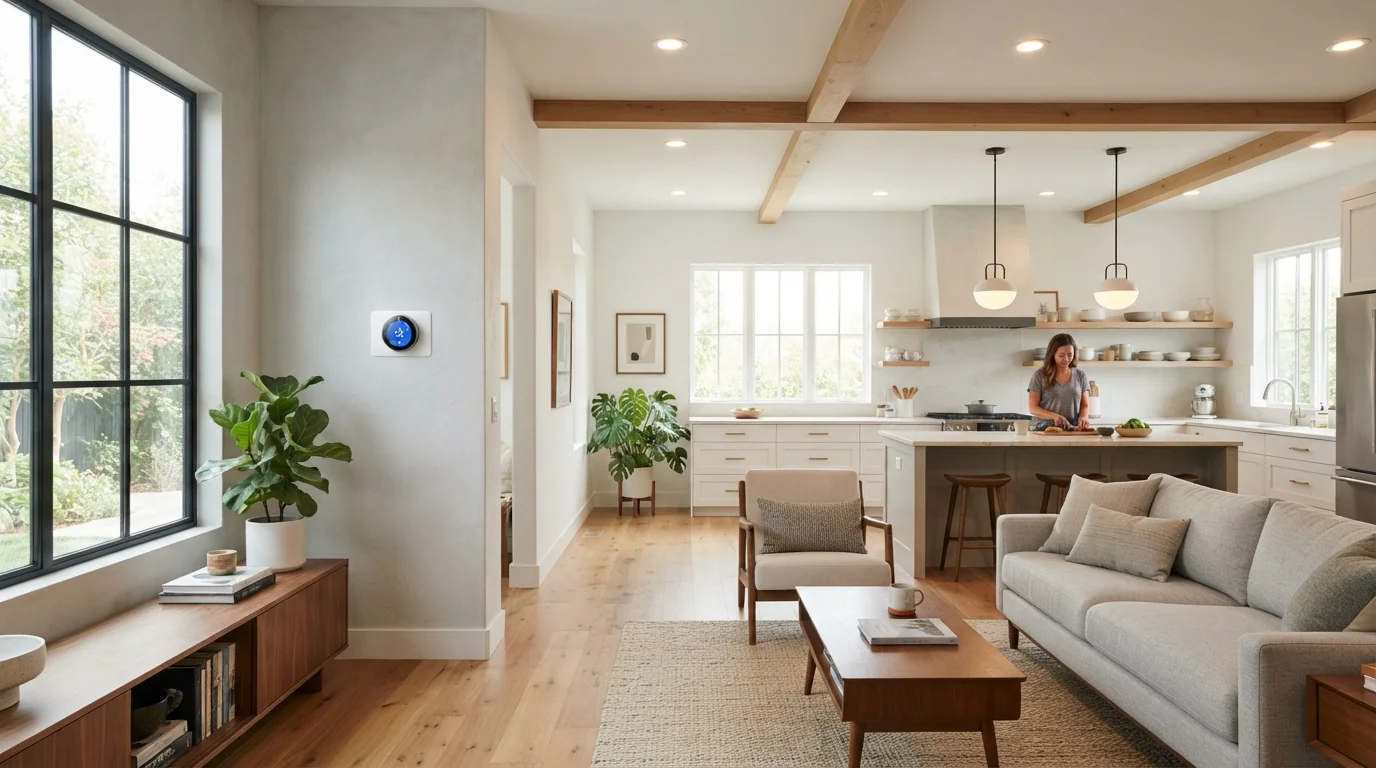
A programmable or smart thermostat allows heating and cooling systems to run less when the home is unoccupied or during sleeping hours. The U.S. Environmental Protection Agency's ENERGY STAR program has estimated that consistent use of a programmable thermostat can reduce heating and cooling costs by around 8 percent annually, though actual results depend on existing habits and how well the schedule is configured.
A smart thermostat installed but left at a fixed temperature provides little benefit over a standard thermostat. The savings come from using the scheduling features consistently.
The savings from a smart thermostat come from using the scheduling features consistently.
Switching to LED lighting
LED bulbs use roughly 75 percent less energy than incandescent bulbs and last significantly longer. For a home still using incandescent or older compact fluorescent bulbs throughout, switching to LEDs is a straightforward change with predictable, ongoing savings. Bulb costs have dropped substantially over the past decade, making the payback period short in most cases.
Homes with many fixtures, or those where lights run for long hours daily, see the most noticeable reduction in electricity use from this change.
LED bulbs use roughly 75 percent less energy than incandescent bulbs and last significantly longer.
Water heater efficiency improvements
Water heating typically accounts for 14 to 18 percent of home energy use, according to the U.S. Department of Energy. Homes with older tank-style water heaters may benefit from insulating the tank and hot water pipes, which reduces standby heat loss. For homes considering replacement, heat pump water heaters use roughly half the energy of a standard electric resistance unit, though they require adequate space and a moderate ambient temperature to operate efficiently.
Lowering the water heater thermostat from the factory default of 140 degrees Fahrenheit to 120 degrees Fahrenheit reduces energy use and lowers scalding risk without noticeable impact on most household water uses.
Water heating typically accounts for 14 to 18 percent of home energy use and is often overlooked.
HVAC maintenance and duct sealing
A heating and cooling system operating with dirty filters, low refrigerant, or leaky ducts uses more energy to deliver the same comfort. The U.S. Department of Energy has noted that duct leakage can waste 20 to 30 percent of the air a forced-air system moves, particularly in ducts running through unconditioned spaces like attics or crawlspaces.
Annual HVAC maintenance by a licensed technician, combined with duct sealing where leakage is present, often produces efficiency gains without requiring equipment replacement. This is a task where professional assessment matters more than general guidance.
Duct leakage can waste 20 to 30 percent of the air a forced-air system moves.
Window and door upgrades
Double-pane or triple-pane windows with low-emissivity (low-e) coatings reduce heat transfer compared to single-pane glass. However, window replacement is expensive, with costs often running several hundred to over a thousand dollars per window installed. The payback period from energy savings alone is long, sometimes exceeding 20 years, depending on how many windows are replaced and the local climate.
For most homeowners, window replacement makes more financial sense when windows are already due for replacement due to damage or failure, or when combined with significant air sealing deficiencies around the frames. Interior or exterior storm windows are a lower-cost alternative that can improve thermal performance without full replacement.
Window replacement payback periods from energy savings alone can exceed 20 years in many cases.
Getting the most from these improvements
Energy efficiency upgrades work best when matched to the actual problems in a specific home. A professional energy audit, available through many utility companies at low or no cost, can identify where conditioned air escapes and where equipment runs inefficiently. Skipping this step can mean spending money on improvements that address the wrong problem first.
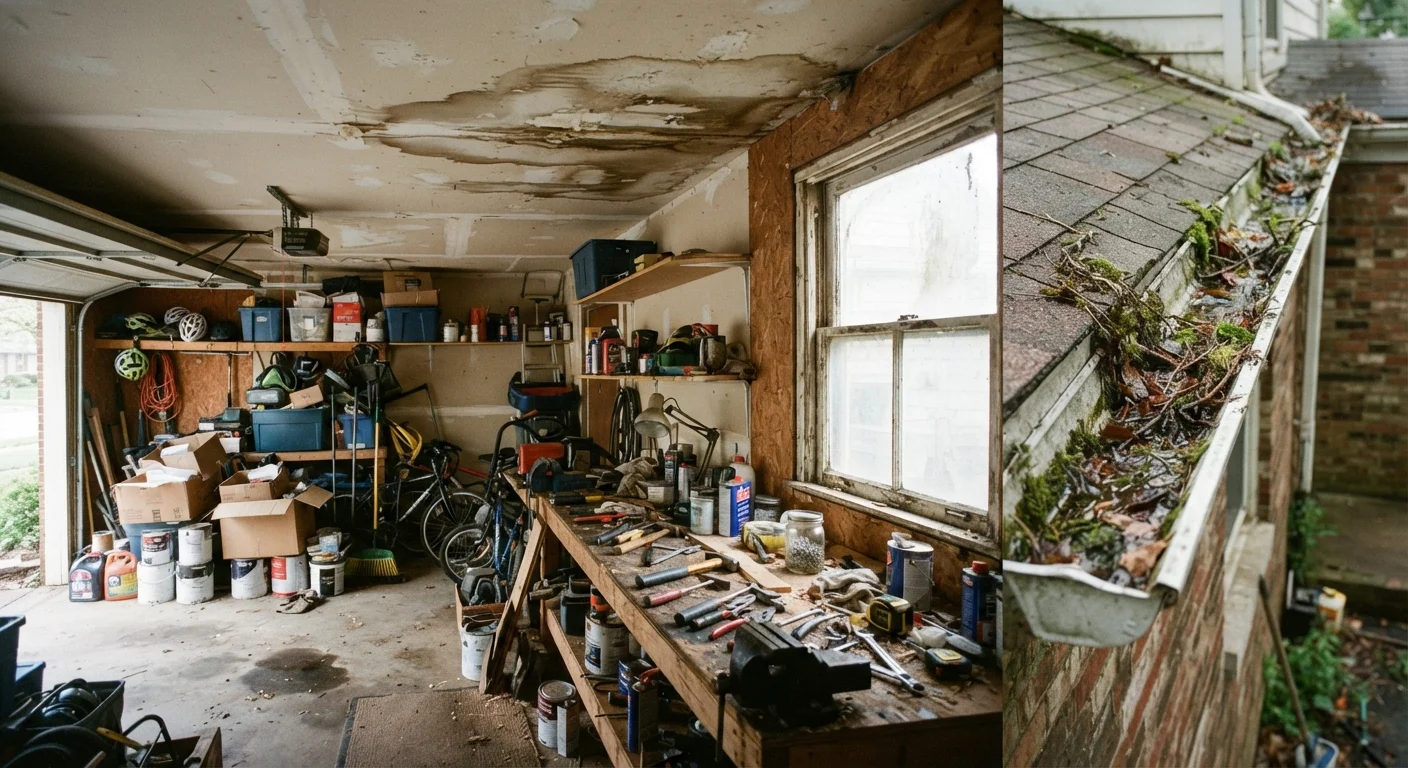
Deferred maintenance often makes efficiency upgrades less effective. A leaky duct system, for instance, reduces the benefit of a new HVAC unit. Addressing overlooked maintenance tasks before or alongside efficiency upgrades generally produces better overall results.
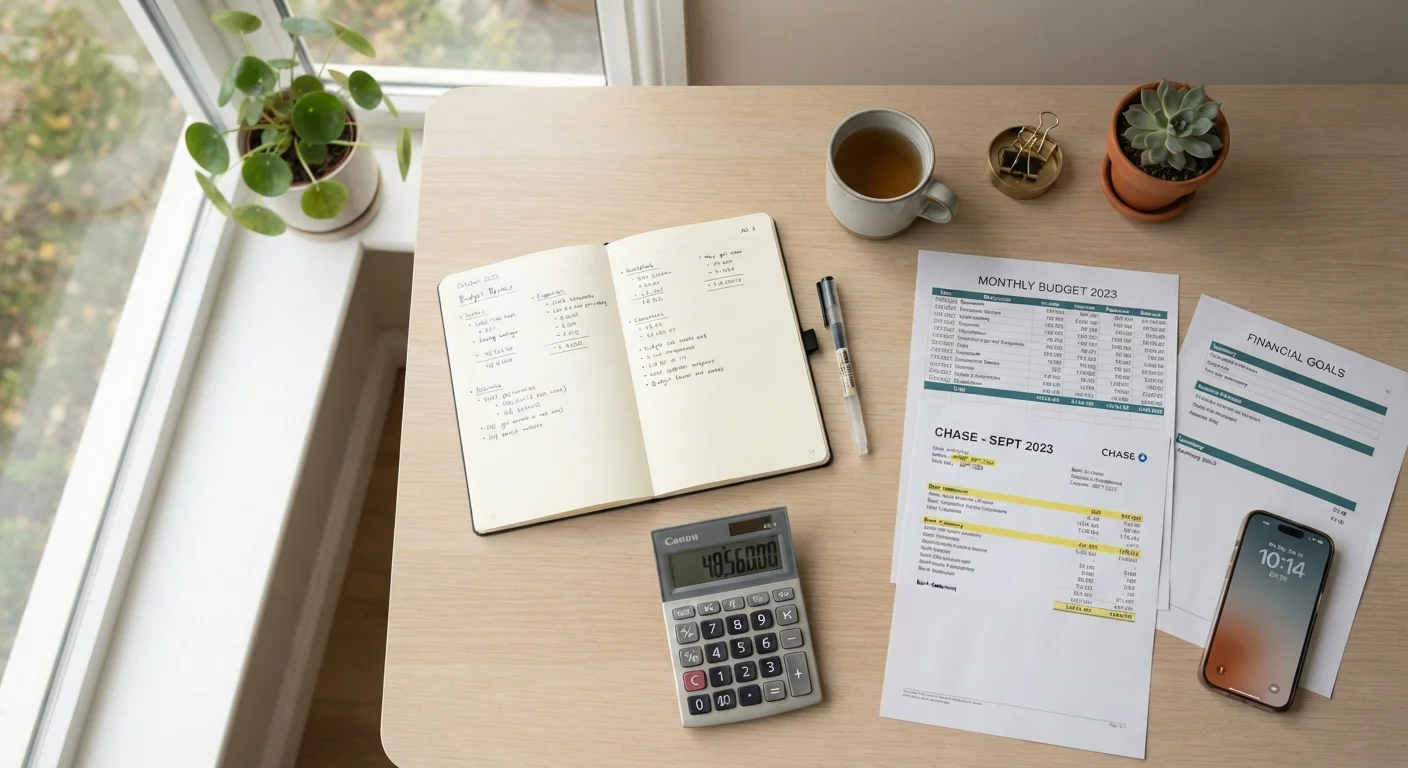
For homeowners thinking about how energy savings fit into a broader financial picture, reviewing your budget periodically can help track whether utility costs have actually shifted. A yearly financial self-audit is one practical way to compare utility spending over time.
This article provides general home improvement information for educational purposes. Costs, savings, and timelines vary significantly by home, location, and contractor. Consult a licensed contractor or certified energy auditor before beginning any major home improvement project. Work involving electrical systems, gas lines, or structural components should always be completed by a licensed professional.