
Why these assumptions form in the first place
Renters insurance is one of the least understood personal insurance products, partly because renters interact with it less often than auto or health coverage. Most people sign a lease, pay their deposit, and move in without reviewing what protection, if any, they actually have. When something goes wrong, that gap becomes obvious.
The misconceptions below are common. Each one has a reasonable origin, but each can leave a renter without the coverage they expected. This article is general information only and not personalized insurance advice. Policy terms vary by provider and state, so reading actual policy documents and speaking with a licensed insurance agent is the right step for your specific situation.
The most common misconceptions and how to correct them
These errors show up consistently among renters who have never held a renters policy or who have let one lapse.
Assuming the landlord's insurance covers the tenant's belongings.
Why it happens: Renters see their landlord carrying insurance and reasonably conclude they are covered under it.
Believing renters insurance is too expensive to be worth carrying.
Why it happens: Without a reference point, many renters overestimate the monthly cost significantly.
Thinking there is not enough personal property to justify a policy.
Why it happens: Renters mentally undercount their possessions, forgetting items like clothing, kitchenware, and small electronics.
Overlooking the liability coverage component of a renters policy.
Why it happens: Most renters focus on property protection and do not realize liability is bundled into standard renters policies.
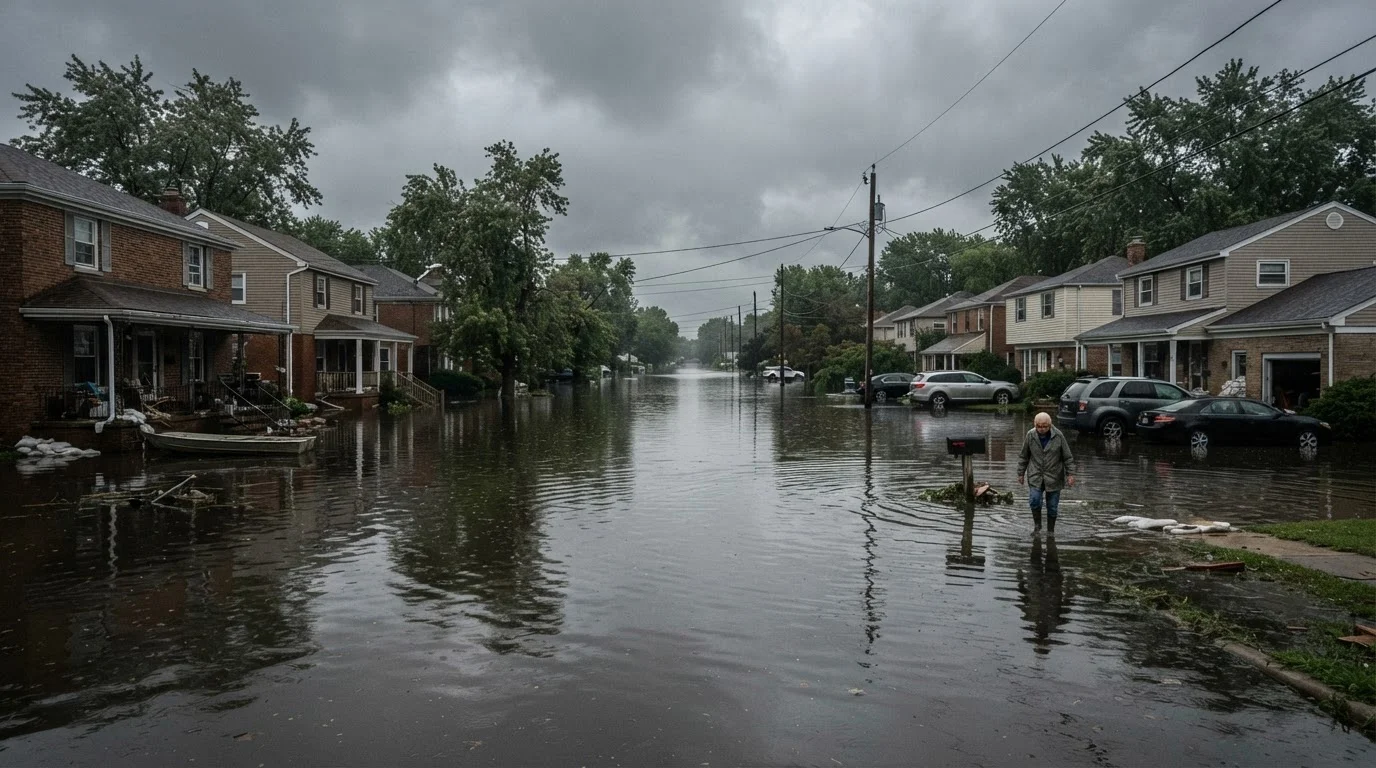
Assuming all water damage is covered under a standard renters policy.
Why it happens: Renters conflate general water damage with flooding, not knowing that most policies treat them differently.
Not understanding the difference between actual cash value and replacement cost value.
Why it happens: Policy summaries do not always explain how the settlement amount is calculated, so renters assume they will receive what it costs to buy a new item.
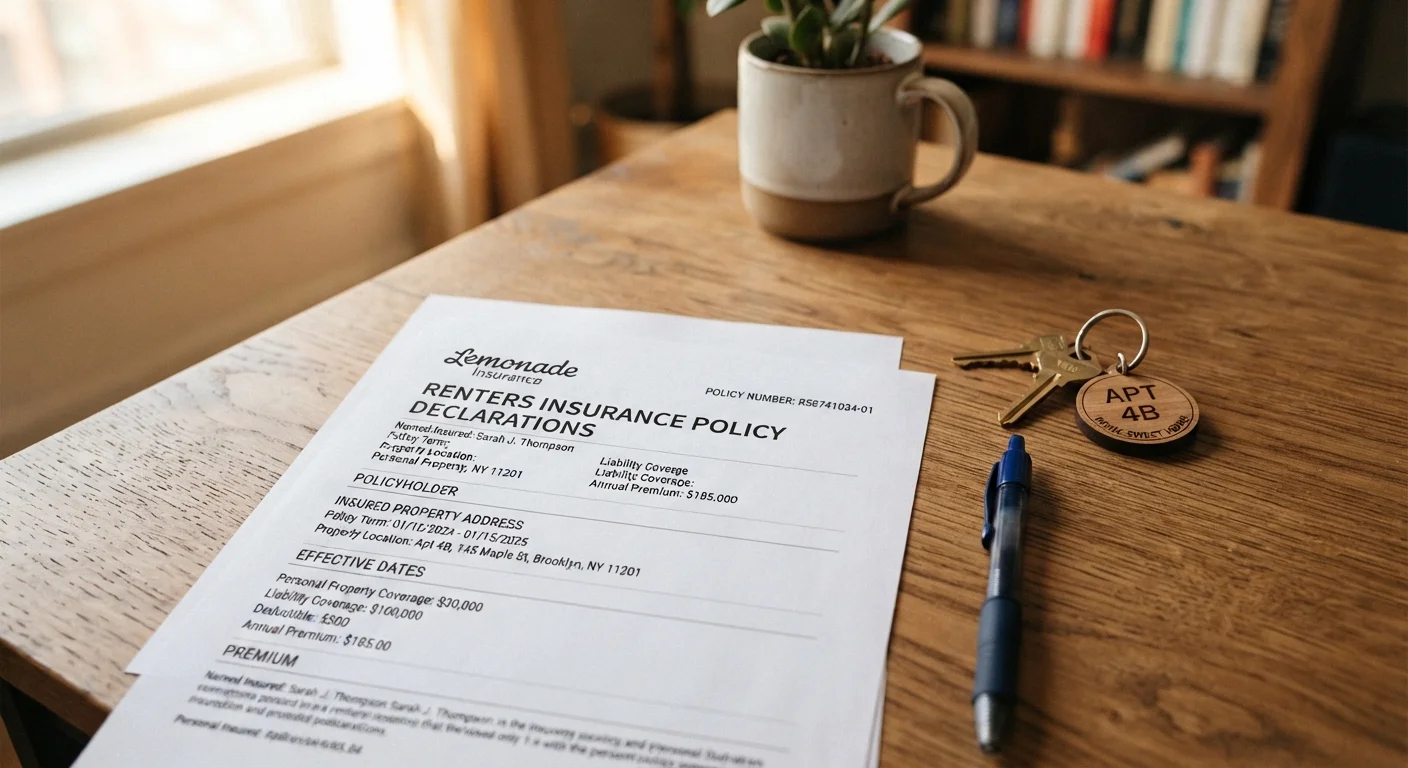
A pattern across all these mistakes is that renters skip the step of actually reading a policy before deciding whether to buy one. The same gap in attention that creates surprises in renters coverage also appears in other insurance contexts. For example, coverage gaps in health insurance often surface only after a claim is filed, and misjudgments about travel insurance follow a similar pattern of assumptions made before terms are reviewed.
What to do before choosing a policy
Start with a home inventory. Walk through each room and list or photograph every item of value, including clothing, appliances, and electronics. Assign a rough replacement cost to each. That number tells you how much personal property coverage to look for.
Next, check whether a lease requires renters insurance. Many landlords now include this as a lease condition, specifying a minimum liability amount. Meeting that minimum is a floor, not necessarily a complete solution.
When comparing policies, confirm two things: how the policy settles claims (actual cash value versus replacement cost value) and what perils are excluded. Water damage exclusions deserve particular attention. If the rental is in an area with flood risk, ask a licensed agent whether a separate flood policy makes sense. The same coverage logic that applies to homeowners applies here.
This article is for general informational purposes only and is not personalized insurance advice. Coverage terms, exclusions, and costs vary by provider and state. Consult a licensed insurance agent or adviser for guidance specific to your situation.