Why the exclusion exists in standard policies
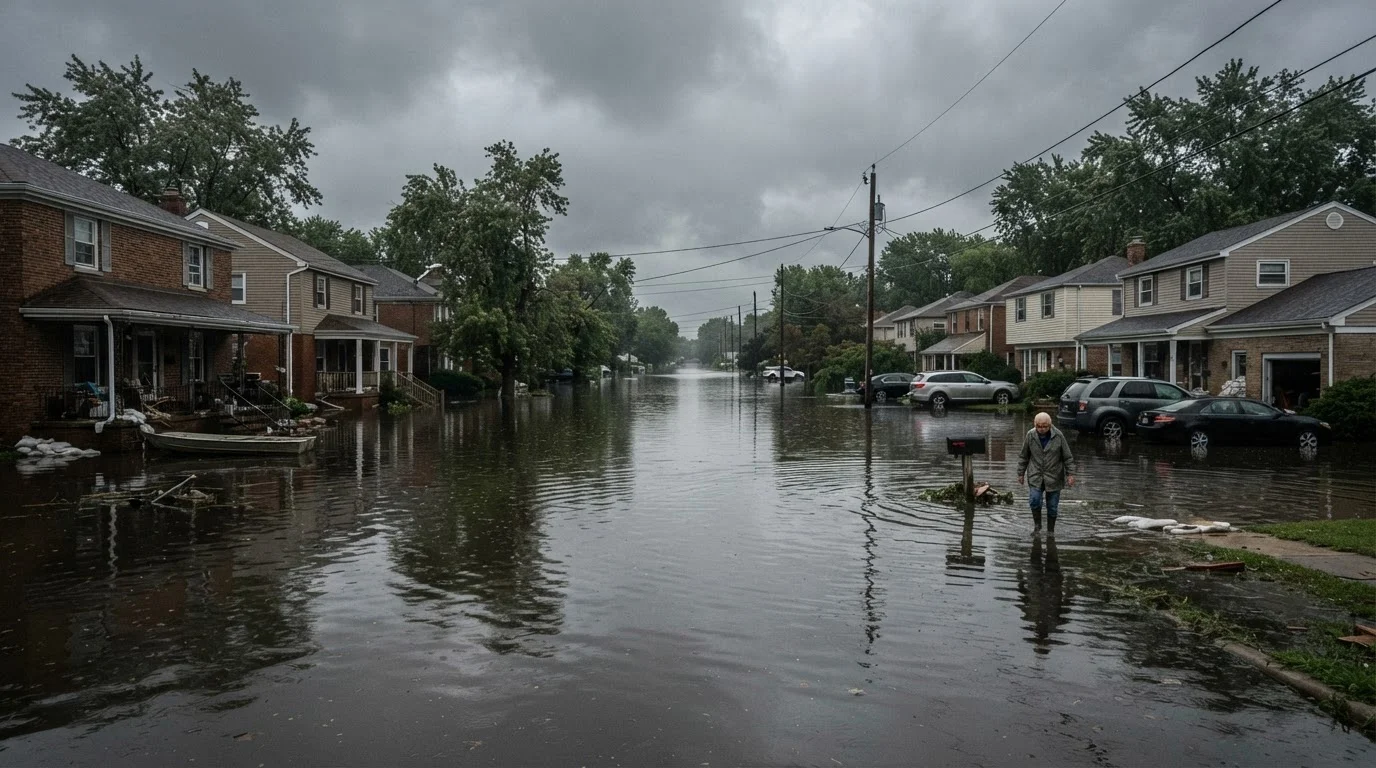
Home insurance policies are built around the concept of risk pooling: many policyholders pay premiums so that those who experience a covered loss can be compensated. Flood risk breaks that model in a specific way. Floods tend to affect many properties in the same area at the same time, creating concentrated, simultaneous losses that private insurers historically found difficult to price and absorb. This is why Congress created the National Flood Insurance Program (NFIP) in 1968, to make flood coverage available when private markets would not reliably provide it.
The standard homeowners policy form used across most of the country was written with this division in mind. Water damage from internal sources falls under the policy; water entering from outside the structure does not. That boundary is not an accident or a loophole. It is a deliberate feature of how the two systems were designed to work together.
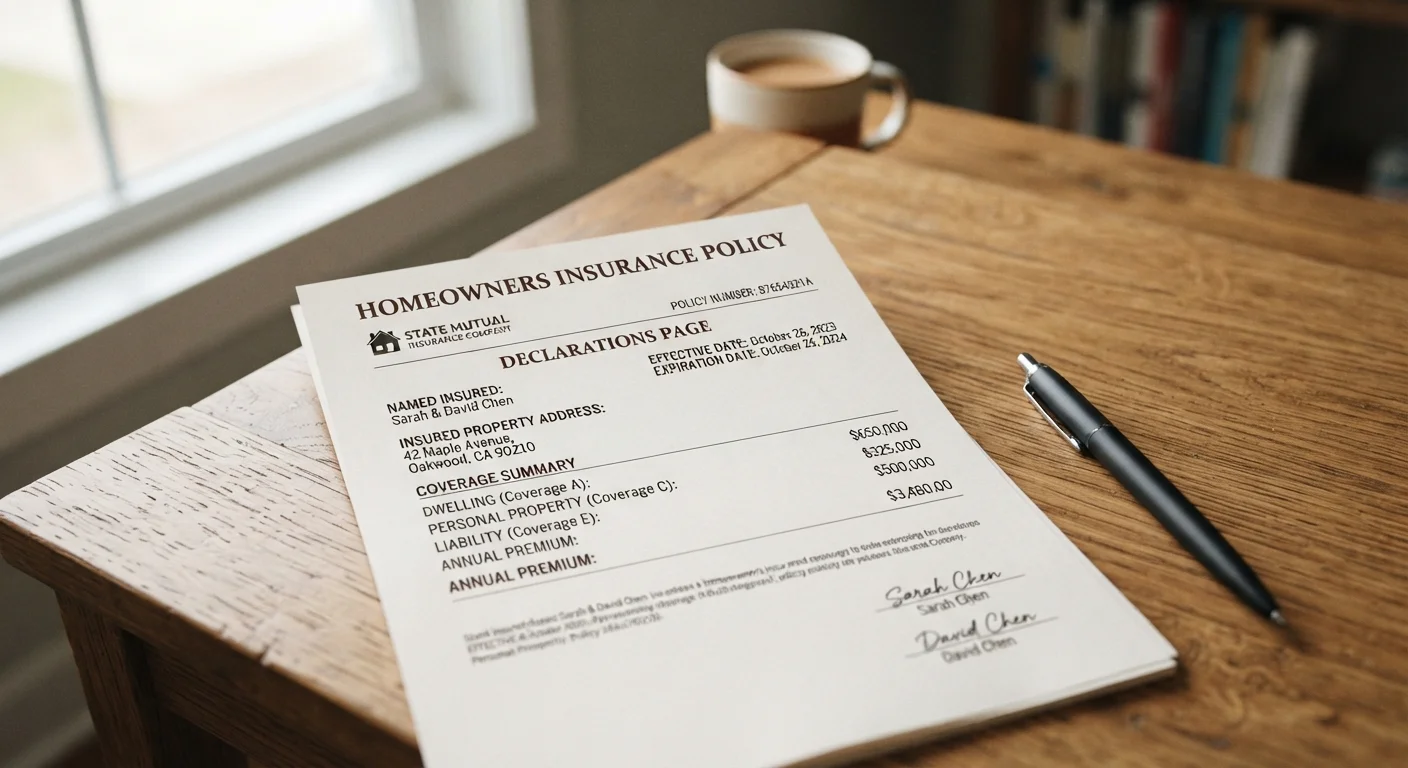
Homeowners and renters who want flood protection need to obtain it separately, either through the NFIP or through a private flood insurer. Your mortgage servicer, state insurance department, or a licensed insurance agent can explain what is available in your area. For preparation steps beyond insurance, the home natural disaster preparedness guide covers documentation and emergency planning that complement any coverage you hold.
Common misconceptions about flood coverage
Myth
My homeowners insurance covers any water damage, including flooding from a storm or overflowing river.
Fact
Standard homeowners policies cover certain internal water damage, such as a burst pipe, but they explicitly exclude flooding caused by external water sources.
The distinction insurers draw is between water that originates inside the home and water that enters from outside. A pipe that bursts in winter and soaks your floors is covered under most standard policies. Water that enters your home because a nearby river overflows, storm surge reaches your foundation, or heavy rain overwhelms street drainage is not. This exclusion is written directly into standard policy language and applies regardless of the storm's severity or whether a disaster declaration is issued. If you are unsure where your policy draws the line, the coverage and exclusions section is the place to start reading.
Myth
Only people in designated high-risk flood zones need to worry about flood insurance.
Fact
Federal data show that a significant share of flood claims come from properties outside high-risk zones, sometimes called Special Flood Hazard Areas.
Flood zone maps, maintained by the Federal Emergency Management Agency (FEMA), classify land by statistical risk. Properties in high-risk zones (labeled Zone A or Zone V) face the highest probability, and lenders typically require flood insurance for mortgaged homes there. But flood zone boundaries do not guarantee safety outside them. Local drainage changes, aging infrastructure, and weather patterns can produce flooding in moderate- or low-risk areas. FEMA's own public guidance notes that floods can and do occur in every state. Owners in lower-risk zones can purchase NFIP policies, often at lower premiums than high-risk properties.
Myth
If I have flood damage, federal disaster assistance will cover the cost of repairs.
Fact
Federal disaster assistance after a declared disaster is typically a low-interest loan, not a grant, and coverage amounts are limited.
When the president declares a federal disaster, the Small Business Administration (SBA) may offer low-interest disaster loans to homeowners and renters. These loans must be repaid and are not equivalent to insurance payouts. FEMA's Individuals and Households Program may provide limited grant assistance for certain needs, but that program has statutory caps and strict eligibility requirements. Flood insurance, by contrast, pays up to the policy limit for covered losses without requiring repayment. Relying on disaster assistance as a substitute for flood insurance leaves a gap that can be substantial after a major event.
Myth
Renters do not need flood insurance because the landlord's policy will cover belongings.
Fact
A landlord's policy covers the building structure, not a tenant's personal property.
This is one of the most common misunderstandings among renters. A building owner's policy is written to protect the structure: walls, floors, roof, and built-in fixtures. Your furniture, clothing, electronics, and other possessions are not on that policy. Renters can purchase NFIP contents-only flood coverage to protect their belongings separately. The assumptions renters commonly make about coverage extend beyond floods, but flood exposure is among the costliest to discover at claim time.
Myth
I can buy flood insurance right before a storm is forecast and be covered.
Fact
Most NFIP flood policies include a 30-day waiting period before coverage takes effect.
The 30-day waiting period exists to prevent people from purchasing coverage only when flooding is imminent, which would make the program financially unworkable. There are narrow exceptions: if a lender requires flood insurance as a condition of a new or refinanced mortgage, coverage can take effect the day of closing. Outside of those situations, a policy purchased today will not cover a flood event that happens within the next month. Planning ahead, before a storm season or before moving into a new property, is the only reliable approach. See how deductible choices interact with flood coverage in our guide to how deductibles work in home insurance.
Myth
Flood insurance covers everything in my home up to any dollar amount.
Fact
NFIP policies have set coverage limits: up to $250,000 for a building and up to $100,000 for contents.
The National Flood Insurance Program sets maximum coverage amounts by statute. For a residential building, the ceiling is $250,000. For contents, it is $100,000. Homeowners whose property value or personal belongings exceed these limits can explore private flood insurance, which may offer higher limits and sometimes broader coverage terms. Private market policies vary considerably by insurer and region, so comparing policy documents carefully matters. Understanding payout methods, such as whether a policy pays actual cash value or replacement cost, affects how much you receive after a loss. The difference between actual cash value and replacement cost can be significant on a large flood claim.
This article provides general information about home insurance and flood coverage. It is not personalized insurance, financial, or legal advice. Coverage terms, exclusions, eligibility, and costs vary by provider, policy, and location. Read your actual policy documents and consult a licensed insurance agent or adviser for guidance specific to your circumstances.