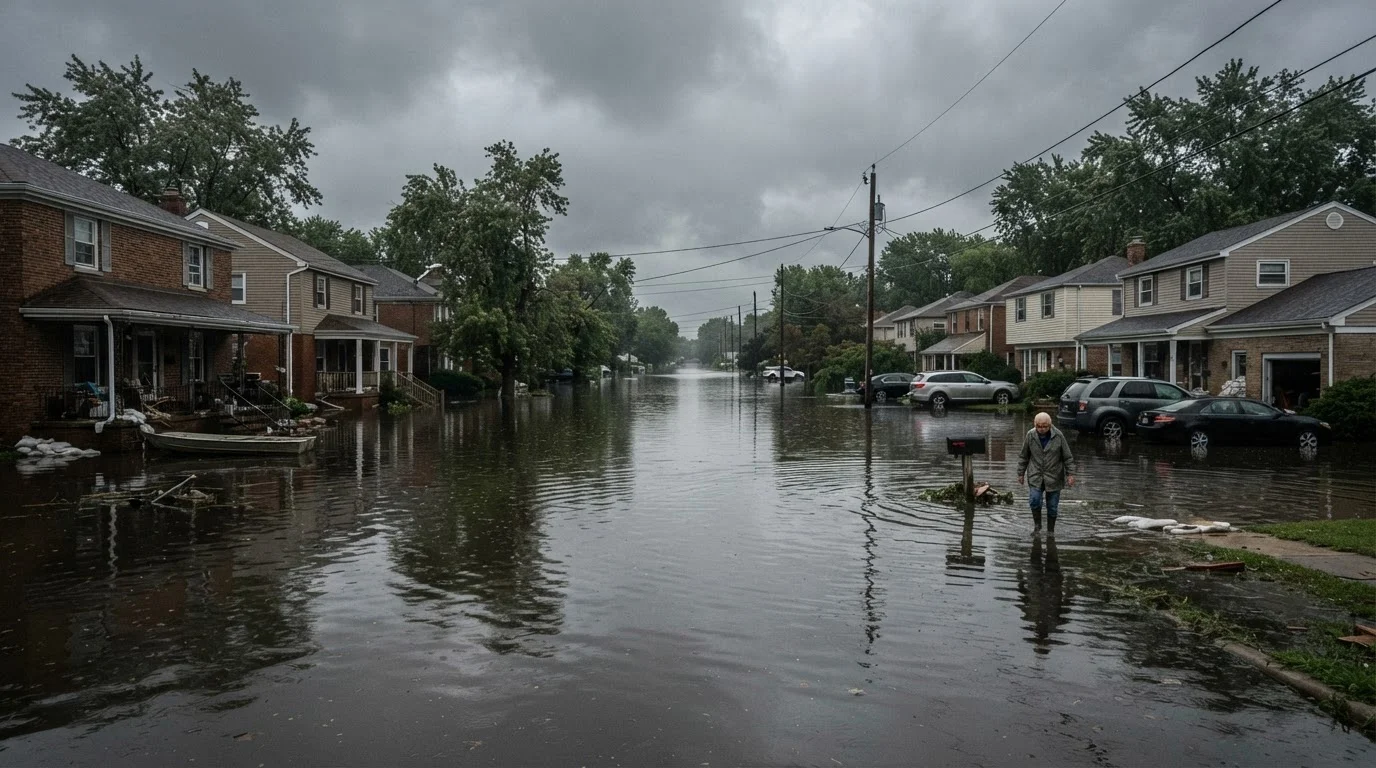
Why preparation matters before a disaster strikes
Wildfires, floods, tornadoes, and winter storms do not give much warning, and the hours before an event are rarely enough time to organize documents, locate insurance policies, or move irreplaceable belongings. Preparation done in advance reduces decisions made under stress and can directly affect how quickly a household recovers.
Renters face the same physical risks homeowners do, though the financial and insurance considerations differ. Both groups benefit from the same core planning steps: know your risks, document what you own, understand your coverage, and have a workable plan for the people in your home.
Assess the risks specific to your location
Disaster preparedness is not one-size-fits-all. A household in coastal Florida faces hurricane and storm surge risk; one in Northern California faces wildfire. The Federal Emergency Management Agency (FEMA) maintains publicly available flood maps and hazard data that help residents understand what their area has experienced and what it may face.
Your local or county emergency management office is a practical first stop. Many publish community hazard assessments and maintain notification systems you can register for. Knowing which hazards apply to your address lets you prioritize which preparations to invest in first.
Sign up for your county's emergency alert system, often called Wireless Emergency Alerts or a local CodeRED system. These notifications reach you faster than news broadcasts during fast-moving events.
Local alert systems are free and require only a phone number or address. Early warning gives households more time to act on their existing plans.
After completing your home inventory, store a digital copy with a trusted person outside your household, not just in your home or on a local hard drive.
A home fire or flood can destroy the same devices that hold your records. Off-site storage ensures the inventory survives the event it is meant to document.
Document your property and belongings
A home inventory is a record of what you own and what it is worth. After a fire or tornado, recalling every appliance, piece of furniture, and electronic device from memory is difficult. An inventory with photos or video, stored somewhere other than your home (a secure cloud account or a copy kept at a relative's address), gives you a concrete record when filing an insurance claim.
Walk through each room and photograph or record the contents. Note model numbers and purchase prices for high-value items where you have them. Repeat this process when you make significant purchases.
Review your insurance coverage
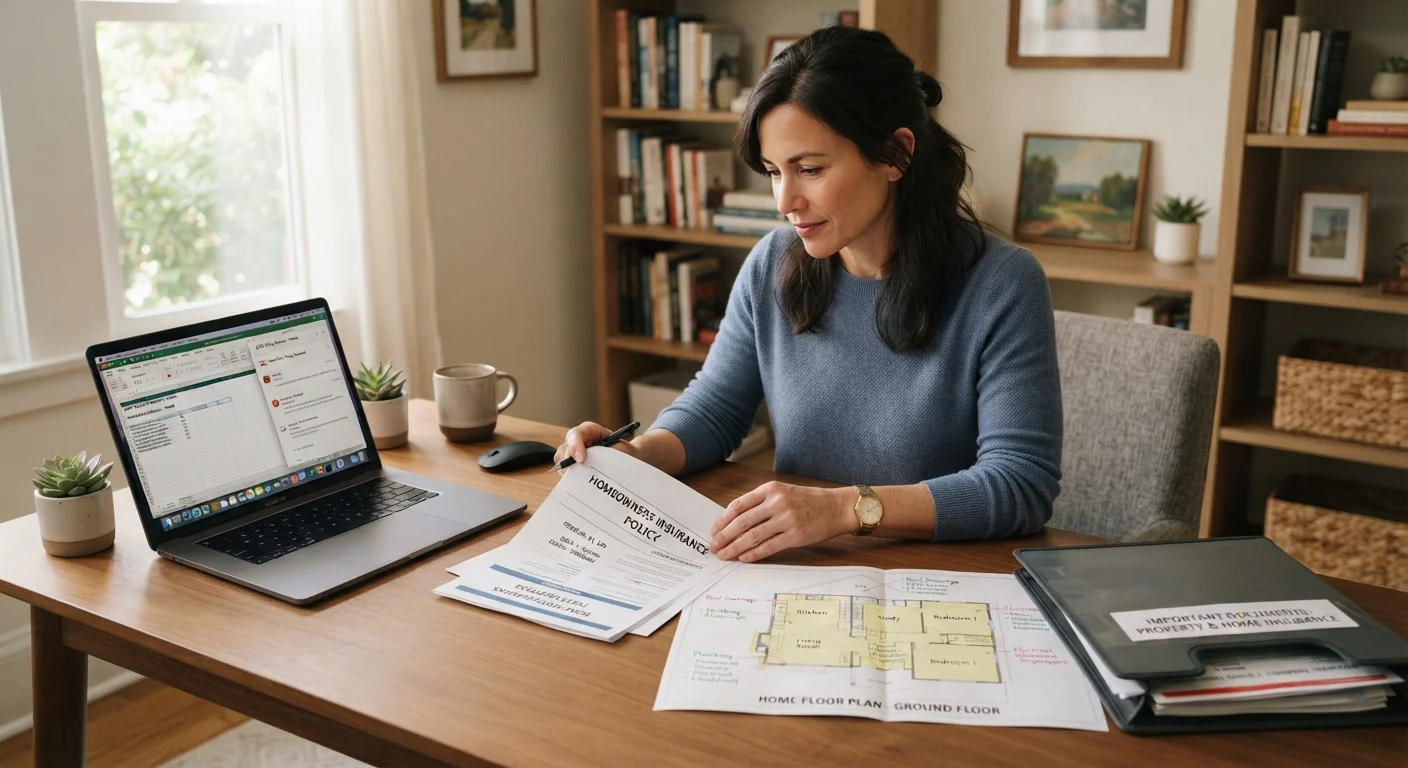
Many homeowners discover gaps in their coverage only after a loss. Standard homeowners policies typically cover wind damage but exclude flooding. If your property sits in or near a flood zone, a separate flood insurance policy, available through the National Flood Insurance Program (NFIP) or private carriers, may be worth examining. Learn how flood exclusions work in standard policies before assuming your current coverage addresses water damage from storm surge or rising rivers.
Review your policy's dwelling coverage limit to check whether it reflects current rebuilding costs, which have risen with construction material prices. Ask your insurer or a licensed agent about coverage for detached structures, temporary living expenses after a covered loss, and any exclusions that apply to your specific location. This article provides general information; consult a licensed insurance professional for guidance on your own policy.
Build an emergency supply kit
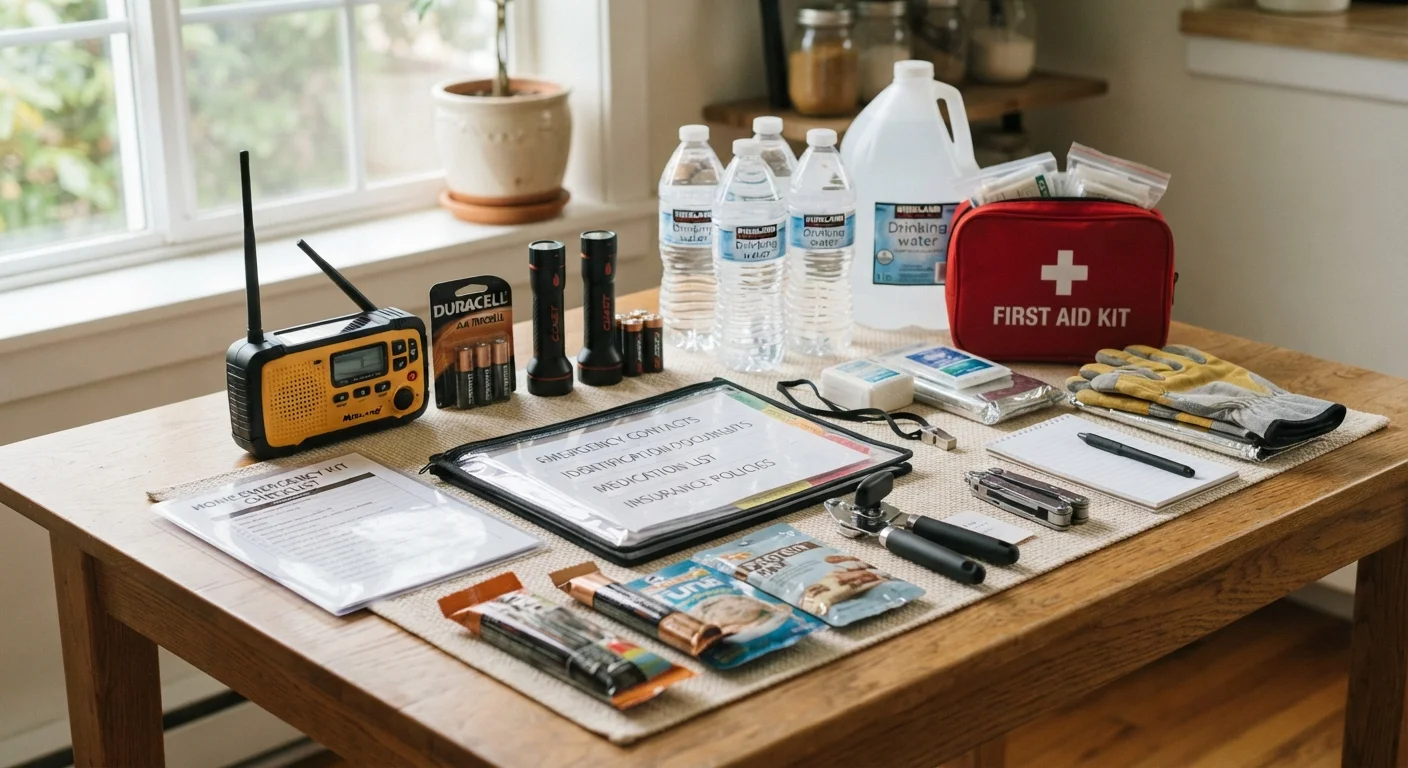
FEMA and the American Red Cross recommend that households keep enough supplies to be self-sufficient for at least 72 hours. Many emergency managers now suggest planning for up to two weeks if you live in an area prone to extended outages or evacuation routes that may be congested.
- Water: one gallon per person per day, stored in food-safe containers
- Non-perishable food that requires minimal preparation
- A battery-powered or hand-crank radio for receiving emergency alerts
- Flashlights and extra batteries
- A first aid kit with any prescription medications your household takes regularly
- Copies of important documents in a waterproof container: insurance policies, identification, bank account information, and medical records
- Phone chargers and a portable power bank
Households with infants, pets, or members with medical equipment have additional needs. Plan for those specifically rather than assuming a generic kit covers everyone.
Rotate your kit supplies regularly
Water containers and shelf-stable food have expiration dates. Set a calendar reminder once a year to check and replace items that have expired. Medications in your kit should match current prescriptions, so update them whenever a prescription changes.
Create a household communication plan
When a disaster separates household members, local phone lines are often overwhelmed. A written plan that everyone knows in advance makes reuniting more reliable than depending on real-time calls.
Designate an out-of-state contact that all household members call or text to report their status. Out-of-area lines are often less congested than local ones. Identify two meeting locations: one close to home for a sudden emergency like a house fire, and one farther away if the neighborhood is inaccessible.
Share the plan with everyone who might need it, including older relatives or household members who may not have smartphones. For households with aging family members who may need additional support during an evacuation or recovery period, planning for long-term care needs can be part of a broader family preparedness conversation.
Store a printed copy of your plan alongside your emergency kit. Digital files are useful, but a printed sheet works when devices are out of power or water-damaged.