Why small repairs turn into large bills
Most home maintenance delays do not start with procrastination. They start with a reasonable judgment that the problem is not serious yet. A slow drain still drains. A caulk line with a hairline crack still looks mostly intact. A gutter that overflows slightly in heavy rain seems to handle normal rain just fine.
The problem is that homes are interconnected systems. Water that finds one gap will travel until it finds wood, insulation, or drywall to saturate. An HVAC filter that is two months overdue for a change is quietly making the blower motor work harder every day. By the time a symptom becomes obvious, the underlying damage has usually been building for months.
If you are setting up a new home and want to build good maintenance habits from the start, the first-home services setup guide covers the plans and utilities worth arranging early.
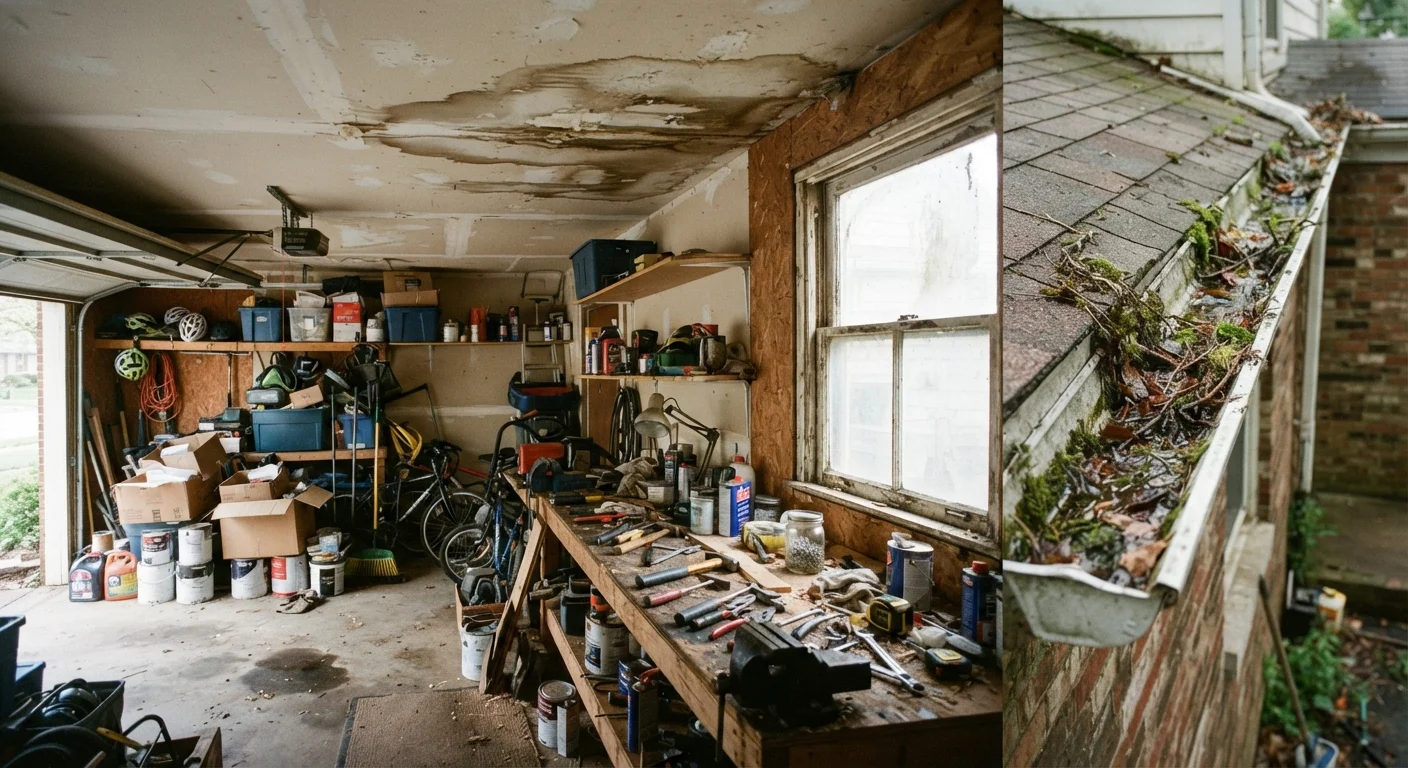
Ignoring clogged or damaged gutters season after season.
Why it happens: Gutters are out of sight, so homeowners rarely think about them until water is visibly spilling over or pooling near the foundation.
Putting off a roof inspection after a severe storm.
Why it happens: Roof damage is not always visible from the ground, and homeowners assume that if no shingles are on the lawn, nothing is broken.
Delaying caulk and grout repairs in bathrooms and kitchens.
Why it happens: Cracked caulk looks like a cosmetic problem, so homeowners rank it low against more pressing tasks.
Skipping HVAC filter changes and annual servicing.
Why it happens: A system that still runs feels like a system that still works, so homeowners defer the service call.
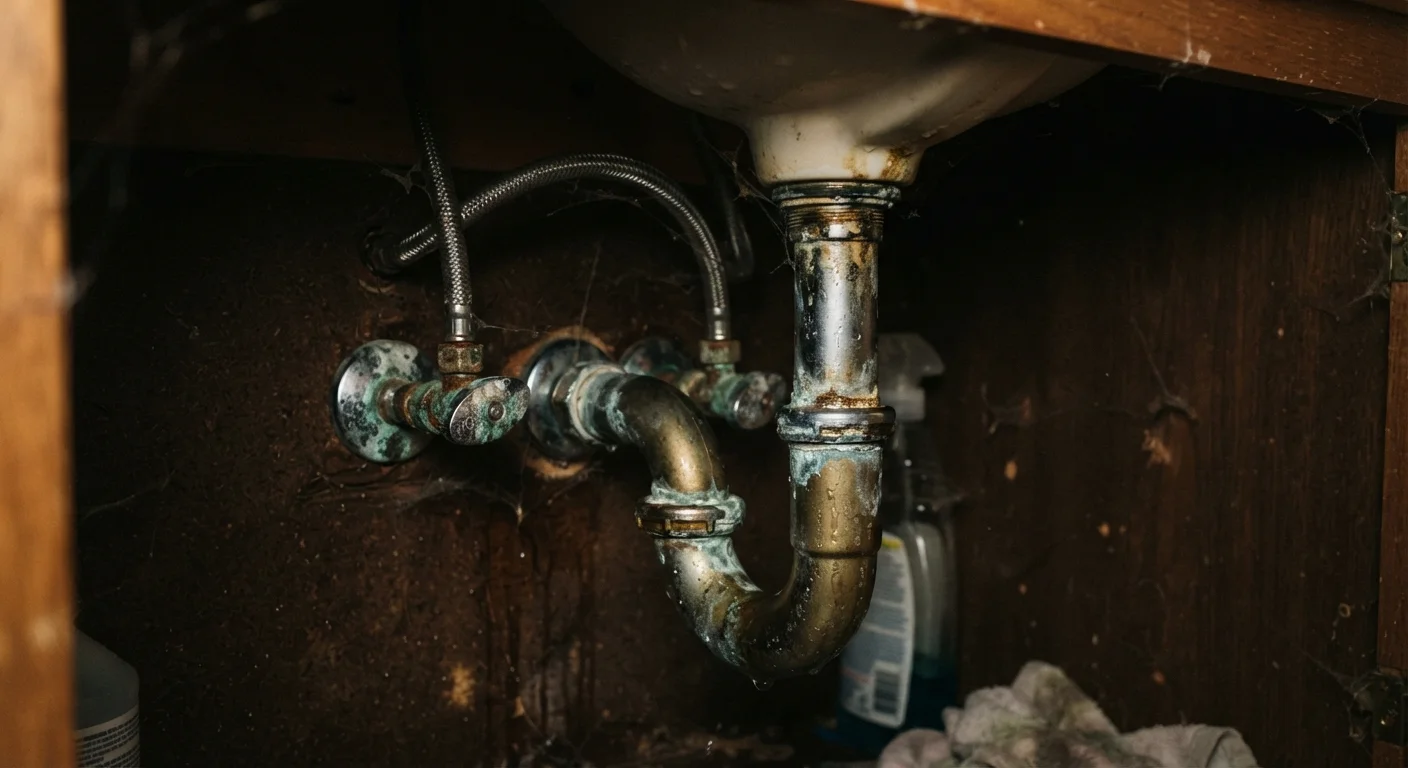
Ignoring slow or gurgling drains until a full blockage occurs.
Why it happens: A slow drain functions well enough for daily use, so it rarely feels urgent enough to address.
Not resealing a driveway or walkway after cracks appear.
Why it happens: Surface cracks seem like a cosmetic issue, and the repair feels like it can wait for better weather indefinitely.
The costs that catch homeowners off guard
Water damage consistently ranks among the most expensive home repairs. Insurance data indicates it affects roughly 1 in 50 insured homes each year, and the average repair cost per incident runs above $3,000. That figure reflects only the direct repair, not temporary housing, lost belongings, or higher premiums afterward.
HVAC systems are another area where delayed maintenance produces measurable costs. A clogged filter reduces system efficiency by an estimated 10 to 15 percent according to the U.S. Department of Energy, which means higher monthly energy bills on top of the shortened equipment lifespan. Pairing regular maintenance with broader efficiency improvements can reduce energy costs further. The home energy efficiency improvements guide covers which upgrades tend to have the most impact on monthly bills.
$3,000+
Average water damage repair cost per incident
According to the Insurance Information Institute, water damage and freezing claims are among the most common and costly homeowners insurance losses.
1 in 50
Homes with a water damage claim annually
The Insurance Information Institute reports approximately 1 in 50 insured homes files a water damage or freezing claim each year.
10-15%
HVAC efficiency loss from a dirty filter
The U.S. Department of Energy notes that a clogged HVAC filter can reduce system efficiency by 10 to 15 percent, raising energy bills.
Structural and cosmetic repairs, like driveway cracks or failing grout, also carry a resale cost. A home inspector will flag deferred maintenance, and buyers typically use those findings to negotiate the price down or request repairs before closing.
Deferred repairs can affect your insurance claim
Most homeowners insurance policies include a provision requiring policyholders to maintain the property and prevent further damage after an incident occurs. If an insurer determines that neglected maintenance contributed to or worsened a loss, they may reduce or deny the claim. Review your policy terms or speak with a licensed agent to understand your maintenance obligations.
Keeping a maintenance budget separate from a general emergency fund helps homeowners avoid the choice between a repair and another financial priority. The annual financial check-in checklist includes a section on reviewing home-related expenses as part of a broader financial review.
Water damage compounds fast
Water that enters a wall cavity, subfloor, or attic does not stay contained. Within 24 to 48 hours, mold can begin to grow in saturated building materials. What starts as a failed caulk line or a cracked roof shingle can become a remediation project affecting structural framing. Address any sign of active moisture intrusion promptly, and consult a qualified contractor if you are unsure of the source.
This article is for general informational purposes only and does not constitute professional home inspection, contracting, insurance, or financial advice. Repair costs, insurance terms, and local code requirements vary. Consult licensed professionals for guidance specific to your home and situation.