What each term actually means
When you file a home insurance claim, the payout you receive depends on how your policy values what was lost or damaged. Two methods govern this: actual cash value (ACV) and replacement cost value (RCV). They sound similar but produce very different dollar amounts.
Actual cash value is the market value of an item at the time of the loss. The insurer calculates it by taking the cost to replace the item new and subtracting depreciation based on age, condition, and expected lifespan. A ten-year-old roof that would cost $15,000 to replace today might have an ACV of $7,500 after depreciation is applied.
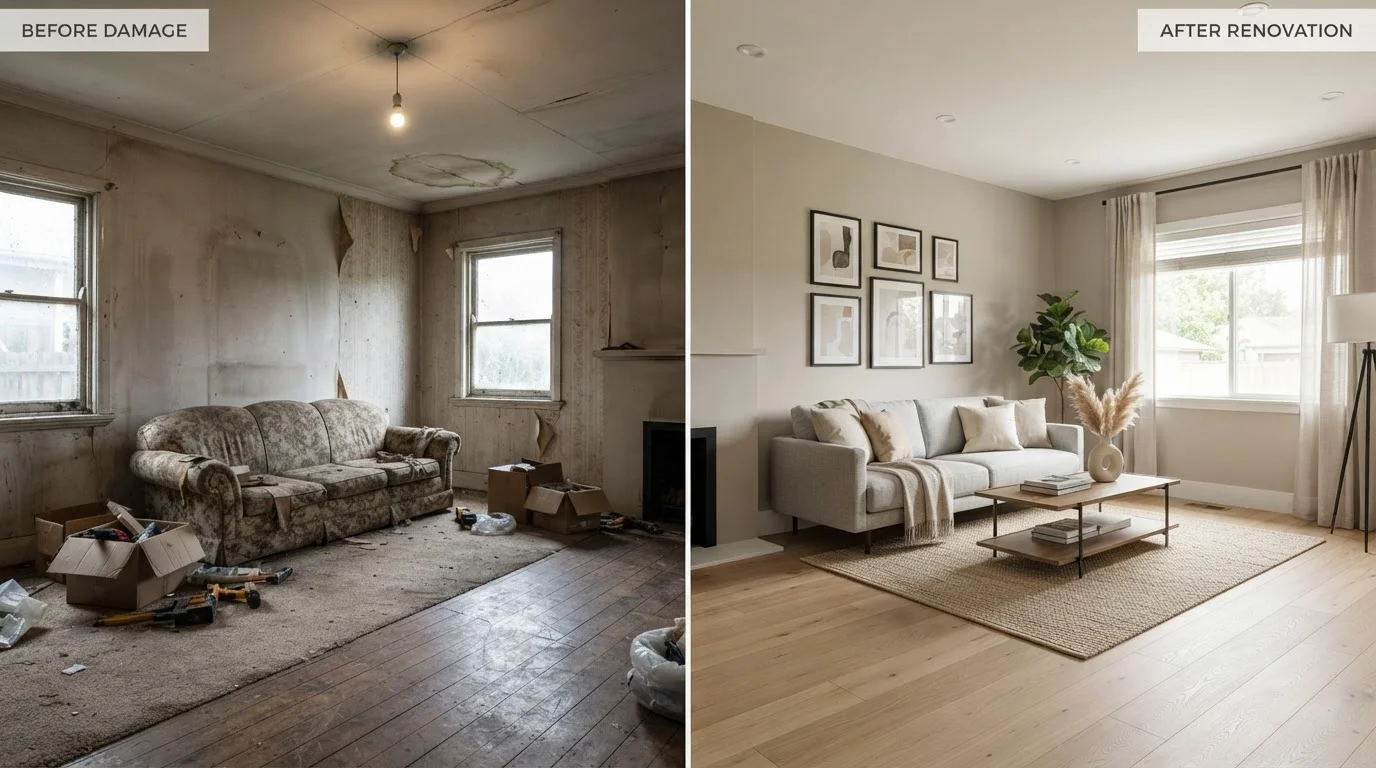
Replacement cost value skips the depreciation step. The insurer pays what it costs to repair or replace the damaged property with materials of similar kind and quality at current prices. That same roof would receive the full $15,000, minus your deductible. See how deductibles affect your payout for more on how that figure interacts with your settlement.
How depreciation changes the math
Depreciation is the central variable separating these two coverage types. Insurers use schedules that assign a useful life to different categories of property. Flooring, appliances, roofing, and personal electronics each depreciate at different rates.

Under an ACV policy, the insurer withholds the depreciated portion of the loss. That withheld amount is sometimes called "recoverable depreciation" when a policy has an RCV endorsement, but under a pure ACV policy that money is simply not paid out. The homeowner absorbs the gap.
Under an RCV policy, the insurer typically pays in two stages: an initial payment based on ACV, then a supplemental payment once repairs are completed and you submit receipts. The total, after your deductible, reaches the full replacement cost. Because of this two-step process, keeping documentation of completed work is important.
Check how your personal property is covered
Many homeowners assume their belongings receive the same coverage as the dwelling, but that is not always the case. Personal property is often covered at ACV by default even when the structure has RCV coverage. Review the personal property section of your policy separately to confirm what method applies to your contents.
Where the coverage type appears in your policy
Most standard homeowners policies apply a coverage method separately to the dwelling (the structure itself) and to personal property (your belongings). It is possible to have RCV on the dwelling and ACV on contents, or vice versa, depending on how your policy was written.
Your declarations page, the summary document at the front of your policy packet, states which method applies to each coverage category. If the language is unclear, your insurer or a licensed agent can explain what the specific wording means for your situation.
Personal property RCV endorsements are often available as an add-on to policies that default to ACV for contents. This is worth asking about if your electronics, furniture, or clothing are relatively recent purchases. The premium increase for adding this endorsement varies by insurer and coverage amount.
| Criterion | Actual Cash Value (ACV) | Replacement Cost Value (RCV) |
|---|---|---|
| Payout basis | Depreciated value at time of loss | Current cost to repair or replace |
| Premium cost | Generally lower | Generally higher |
| Out-of-pocket gap after loss | Potentially significant | Minimal (deductible only) |
| Payment structure | Single payment after claim | Initial ACV payment, then supplemental |
| Best suited to | Older property, cost-conscious buyers | Newer property, full-protection buyers |
| Depreciation applied | Yes | No |
Practical considerations when comparing policies
The premium difference between ACV and RCV policies is real. RCV coverage costs more because the insurer is accepting greater financial exposure. How much more depends on the home's rebuild cost, its age, and the value of its contents.
Age of the home matters significantly. An older home with an aging roof, older HVAC systems, and dated finishes will have a wider gap between ACV and RCV payouts than a recently built home where depreciation has had less time to accumulate. For older homes, the financial risk of an ACV-only policy is proportionally higher.
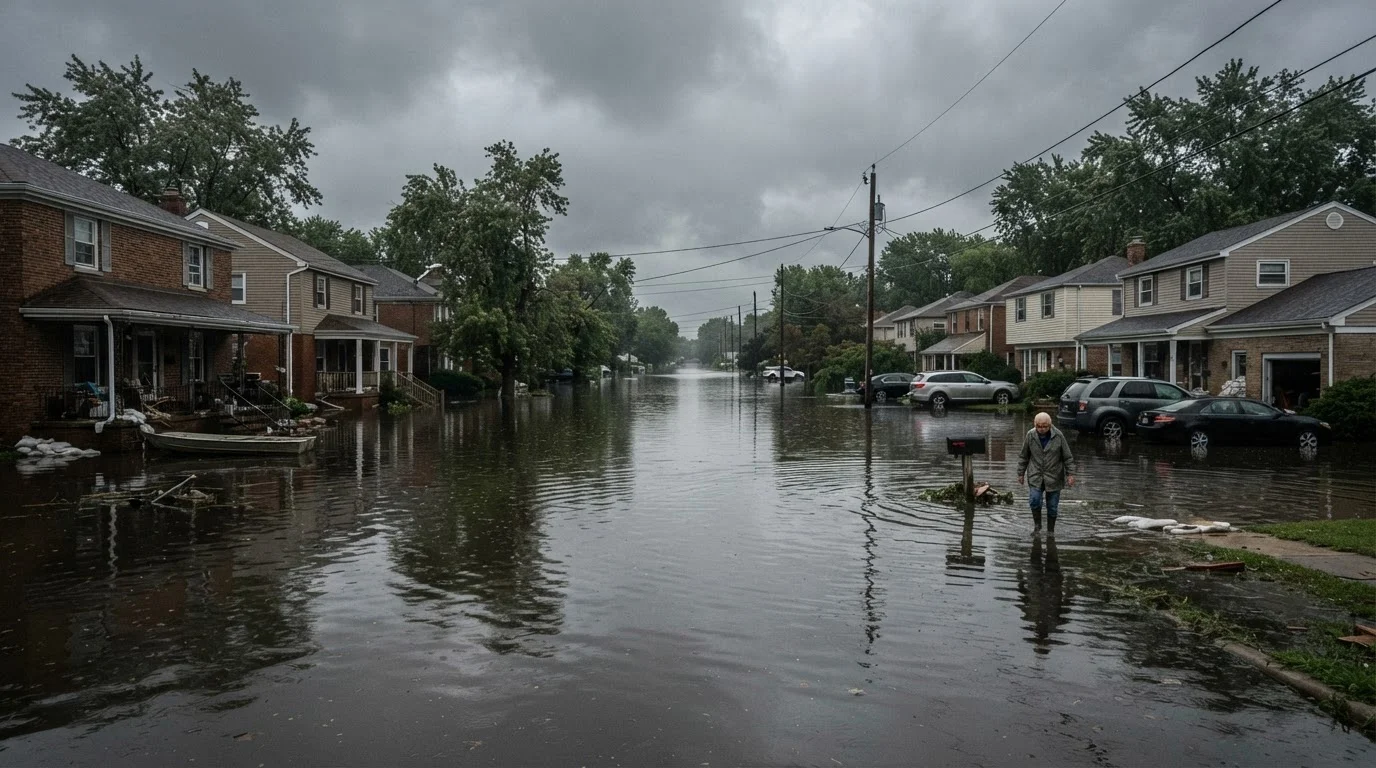
Flooding is worth a separate mention: regardless of whether your policy uses ACV or RCV, standard home insurance policies typically exclude flood damage entirely. Flood coverage works differently and requires a separate policy in most cases.
This article is for general informational purposes only and does not constitute insurance advice. Coverage terms, exclusions, and payout calculations vary by provider and policy. Read your actual policy documents and consult a licensed insurance agent for guidance specific to your situation.