What personal liability coverage actually does
When someone holds you legally responsible for an injury or property damage, personal liability coverage in your homeowners policy is what responds. It can pay for a claimant's medical bills, repair or replacement of damaged property, attorney fees, and court-ordered judgments, up to your policy's stated limit.
The coverage is broader in scope than many homeowners expect. It is not limited to incidents on your property. If your child accidentally breaks a neighbor's window, or your dog bites someone at a local trail, the same liability protection may apply. The policy follows you, not just the address on your declarations page.
Standard policies typically set liability limits at $100,000, though options at $300,000 or higher are available from most insurers. The right limit depends on your personal situation, your assets, and the type of risks present on and around your property. A licensed insurance agent can help you assess that, since this article is general information and not personalized advice.
Common situations where liability coverage applies
Three categories of claims make up the bulk of personal liability situations homeowners face.
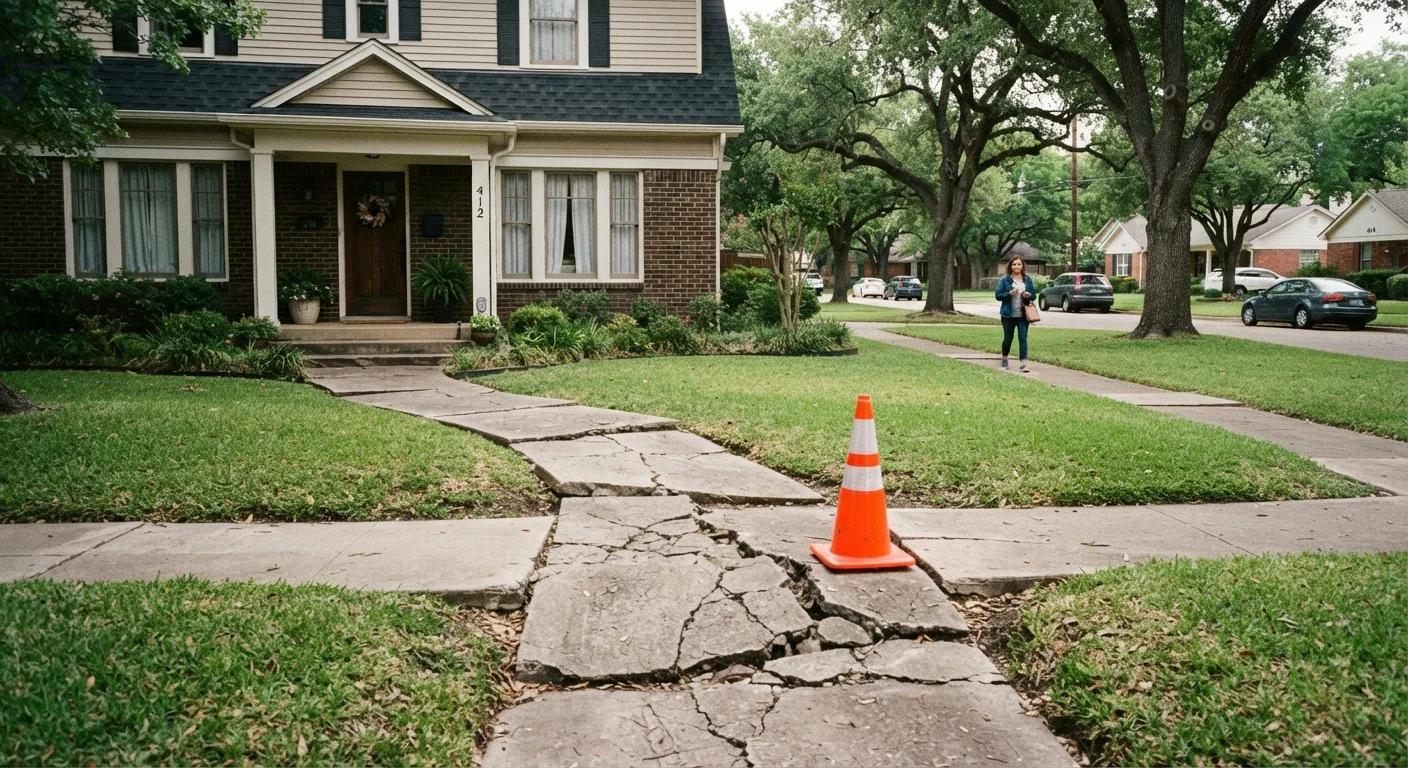
- Bodily injury to a guest. A visitor trips on a step, slips on ice, or is injured by a falling object on your property. If they pursue a claim or lawsuit, your liability coverage can cover their medical costs and your legal defense.
- Property damage caused by you or household members. Accidental damage to a neighbor's fence, vehicle, or belongings can trigger your liability protection if you are found at fault.
- Dog bites and animal-related injuries. Many homeowners policies cover dog bite liability, though some insurers exclude certain breeds or impose specific conditions. Review your policy or ask your insurer directly about animal-related coverage.

Liability coverage also applies when injuries happen away from home, as described above. This is one area where homeowners insurance overlaps with concerns renters have as well. The assumptions renters make about their coverage often include not realizing their own policy carries this same type of protection.
Where standard liability coverage falls short
Several categories of incidents fall outside what a standard liability section covers.
Intentional acts. Liability coverage is designed for accidents. If you or a household member deliberately causes harm or damage, the policy will not respond.
Business activities at home. If you run a business from home and a client is injured during a visit, or a business-related activity causes damage, standard homeowners liability typically excludes it. A separate commercial policy or endorsement addresses this gap.
Auto-related liability. Injuries or damage caused while operating a vehicle fall under auto insurance, not homeowners. The type of auto coverage you carry determines what protection applies in those situations.
Contracted work gone wrong. If you hire someone who gets injured on your property, workers' compensation questions arise separately from personal liability coverage. This is a nuanced area, and policies vary.
Consider an umbrella policy for broader protection
If your assets or risk profile exceed what a standard homeowners liability limit covers, an umbrella policy can extend your protection significantly. These policies typically activate after underlying homeowners or auto liability limits are exhausted. Speak with a licensed insurance agent to understand whether this fits your circumstances.
When a claim is large enough to exceed your standard liability limit, the remaining costs come directly from you. An umbrella policy is one way homeowners address this gap, extending liability limits significantly for a relatively modest added premium. Talk to a licensed agent about whether that option fits your situation.
How coverage limits affect real outcomes
A liability limit that looked adequate at purchase may not reflect current legal costs. Medical bills, lost wages, and attorney fees in a serious injury lawsuit can accumulate quickly. A $100,000 limit can be exhausted before litigation concludes in a significant case.
Reviewing your liability limit at each policy renewal is a reasonable habit, especially if your circumstances have changed, such as adding a pool, trampoline, or a dog to your household. These features raise the probability of injury claims and are sometimes flagged by insurers as factors that affect coverage terms.
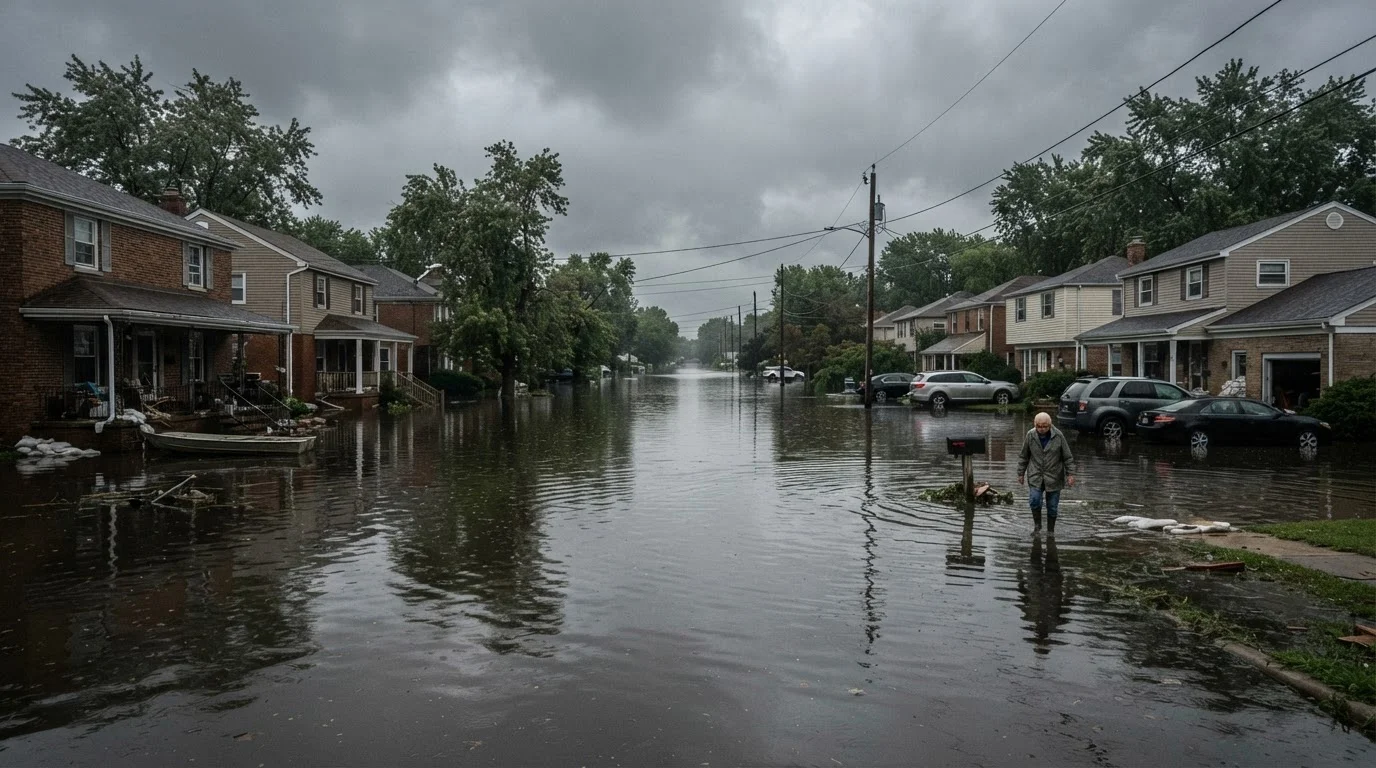
Flood damage exclusions in standard homeowners policies are well documented, but liability gaps are less discussed. The same principle applies there: standard policies have boundaries that do not always match a homeowner's assumptions at claim time.
This article is for general informational purposes only and is not insurance, legal, or financial advice. Coverage terms, exclusions, and limits vary by policy and provider. Consult a licensed insurance agent or adviser for guidance specific to your situation.