
Why setup timing matters
Moving into a first home involves more administrative work than most people anticipate. Utility accounts, insurance policies, and service plans each have their own lead times, and setting them up in the wrong order, or too late, can leave you without power on move-in day or uninsured during closing. The practical goal is to work backward from your move-in date and schedule each setup task accordingly.
This guide covers the main categories of services a first-time homeowner needs to arrange: utilities, insurance, home protection plans, and digital services. It is general information to help you think through the process. For decisions tied to your specific mortgage, coverage needs, or local service options, consult the relevant licensed professionals.
Utilities to connect before move-in day
Contact utility providers two to three weeks before your move-in date. For electricity and natural gas, the local regulated utility usually handles these, though some areas have deregulated markets where you choose a supplier. Water and sewer are almost always managed by the municipality. Trash collection may be municipal or handled through a private hauler; your city or county website will clarify which applies.
When you call, ask whether the account is a transfer from the previous owner or a new account setup. Have your move-in date, the property address, and your Social Security number ready, as providers often run a credit check. Some may require a deposit for new accounts.
For renters moving into a home for the first time, check your lease carefully. Some landlords include certain utilities in the rent; others require tenants to set up all accounts independently.
Insurance coverage to have in place
Homeowners insurance must be active at closing if you have a mortgage. Your lender will specify minimum coverage requirements, but those are floors, not recommendations. Review what the policy actually covers: dwelling coverage (the structure), personal property, liability, and additional living expenses if you need to temporarily leave due to a covered loss.
Escrow and insurance payments
Many mortgage lenders collect homeowners insurance premiums through an escrow account built into your monthly payment. If your lender does this, you are still responsible for choosing and maintaining the policy, but the premium is paid directly to the insurer by the lender. Confirm this arrangement at closing so you are not accidentally paying twice.
Flood damage and earthquake damage are almost always excluded from standard homeowners policies and require separate coverage. If your home is in a flood zone, your lender may require flood insurance through the National Flood Insurance Program (NFIP). Check FEMA's flood map service to see your property's risk designation.
If you own a vehicle, moving to a new address may affect your auto insurance rate, since insurers use location as a factor. Update your insurer promptly. For a plain-language overview of how auto coverage works, see our first-timer's auto insurance walkthrough.
Also consider whether your new home changes any health coverage logistics. The health insurance overview has general information on plan types if you are evaluating options.
Do not delay homeowners insurance
There is a window between signing a purchase contract and closing day where your home may be vulnerable but not yet covered under your new policy. Confirm your policy's effective date with your insurer and make sure it aligns with or precedes the closing date. A gap, even of one day, could leave a loss uncovered.
Home protection and maintenance plans
A home warranty is a service contract that covers repair or replacement of appliances and mechanical systems, such as HVAC, plumbing, and kitchen appliances, when they fail under normal use. It is purchased separately from homeowners insurance and covers different situations. Whether one makes financial sense depends on the age of the appliances in your home and your appetite for unpredictable repair costs.
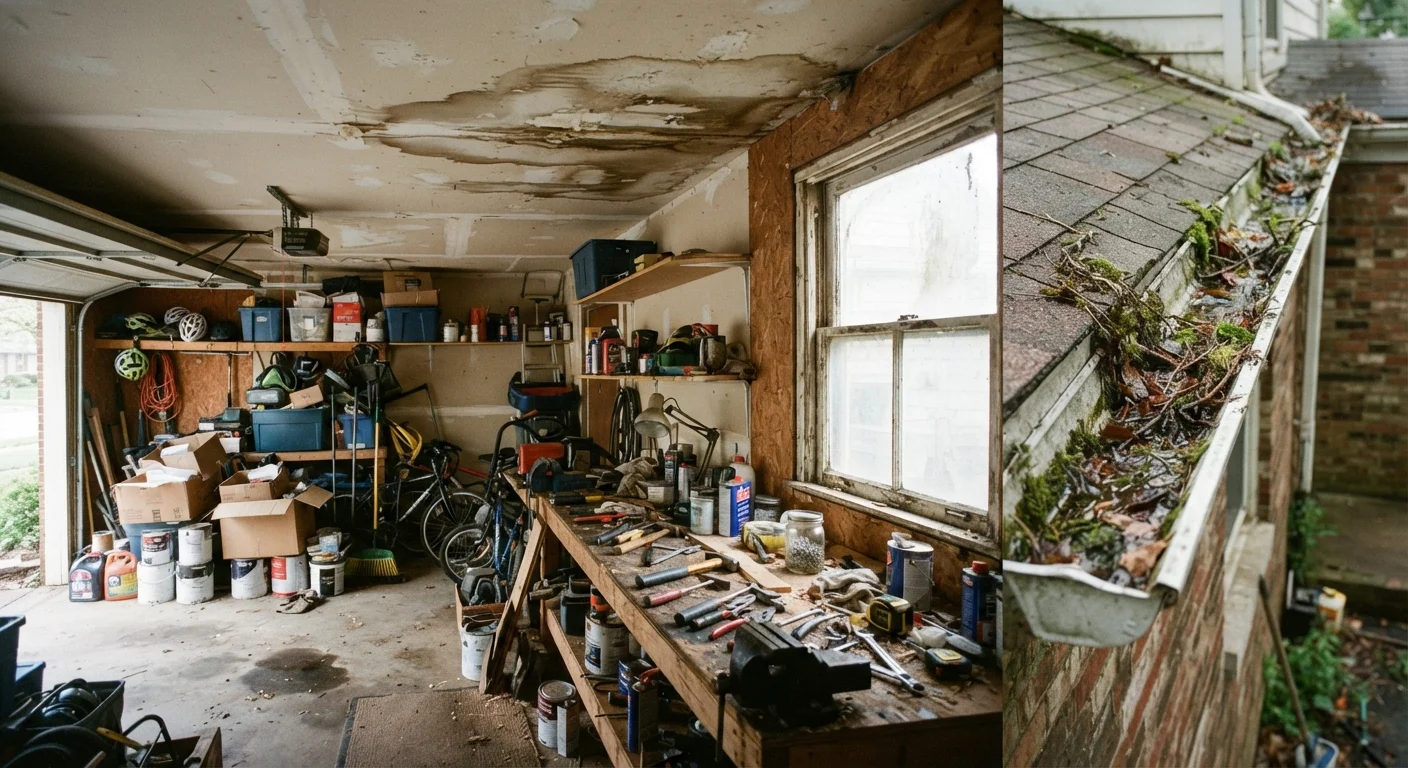
Beyond a warranty, schedule an HVAC inspection within your first month. Heating and cooling systems are among the most expensive to repair or replace, and a technician can flag issues before they worsen. The home maintenance tasks that get costly when delayed outlines which jobs tend to escalate fastest.
If you want to understand how to make the home more energy-efficient over time, the guide to energy efficiency improvements covers which upgrades tend to have the most impact on monthly bills.
Preparedness planning is also worth starting early. Knowing where your water shutoff, electrical panel, and gas shutoff are located, and documenting your property, is covered in our home disaster preparedness guide.
Internet, security, and smart-home basics
Internet service typically requires a technician visit for installation, so schedule it one to two weeks out. Check which providers serve your address before your move date, as availability varies by neighborhood. Ask about contract terms, installation fees, and whether equipment rental is bundled or billed separately.
For home security, your options include professionally monitored systems, self-monitored systems with cameras and sensors, and smart locks. None of these is universally necessary, but each has different setup requirements and recurring costs. Some insurance providers offer a discount for monitored systems; ask your insurer whether this applies to your policy.
Build a home services contact list
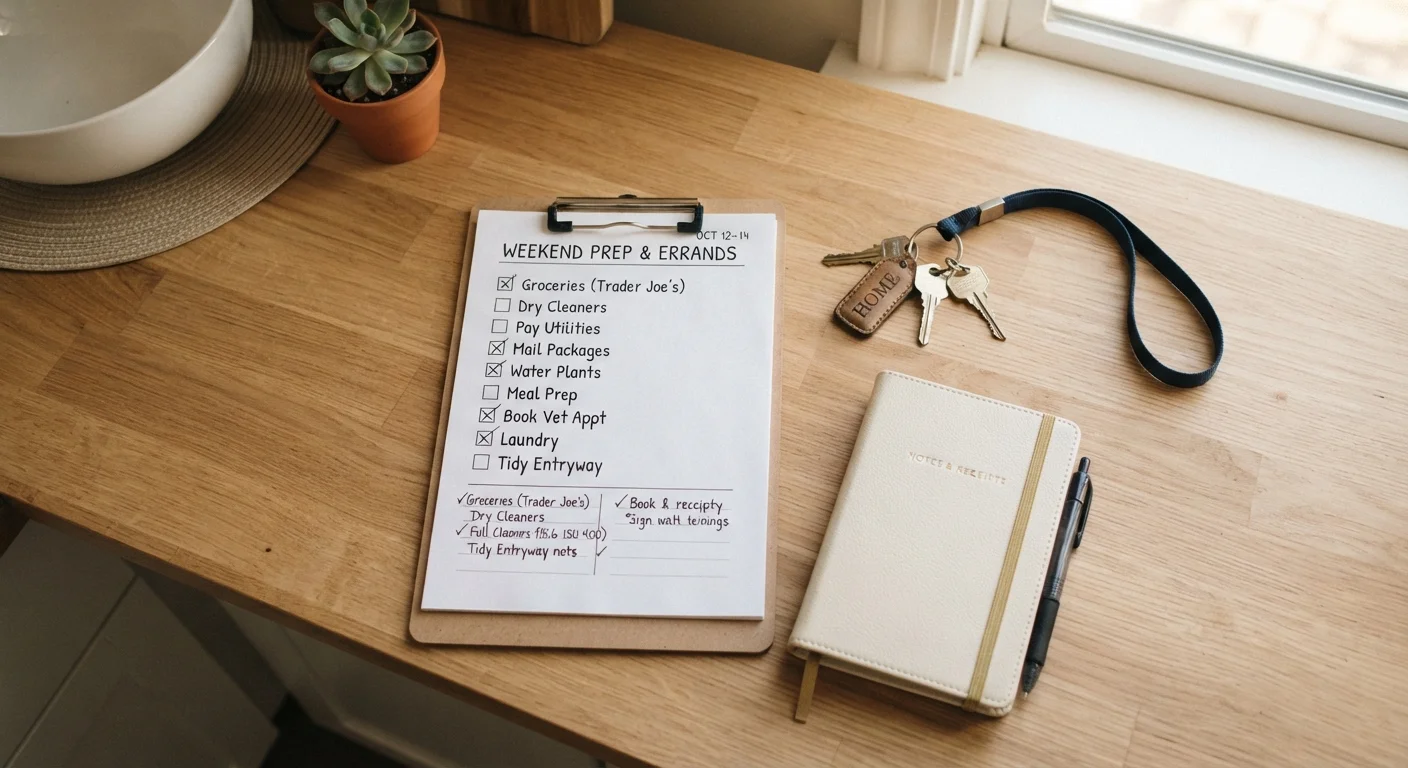
Create a simple document with account numbers, phone numbers, and renewal dates for every service you set up. Store it somewhere accessible, such as a shared notes app or a folder in your email. When a pipe bursts or the power goes out, you will not want to search for contact information.
Organizing recurring payments
Once your accounts are open, you will have several new recurring bills: mortgage, utilities, insurance premiums, and any service plans. Automating payments reduces late fees and missed due dates. For a structured approach to setting this up, see our guide to automating personal finances.
Homeowners insurance
A policy that covers financial losses from damage to your home's structure and belongings, and liability if someone is injured on your property. It does not cover wear and tear or mechanical breakdown.
Home warranty
A service contract, separate from insurance, that pays for repair or replacement of specific appliances and home systems when they fail due to normal use.
Utility transfer
The process of moving an existing utility account (electricity, gas, water) into your name at your new address, or opening a new account with the local provider.
Escrow account
A separate account your mortgage lender holds to collect and pay property taxes and homeowners insurance premiums on your behalf, funded by a portion of each monthly mortgage payment.
HVAC
Stands for heating, ventilation, and air conditioning. It refers to the systems in your home that control temperature and air quality.
Automation works best paired with a monthly review. Utility rates change, insurance premiums adjust at renewal, and service plans sometimes increase in price quietly. A brief check each month catches these shifts before they compound.
Keep a written record of every account you open: the provider name, account number, contact number, and renewal or contract end date. Update this list whenever something changes.