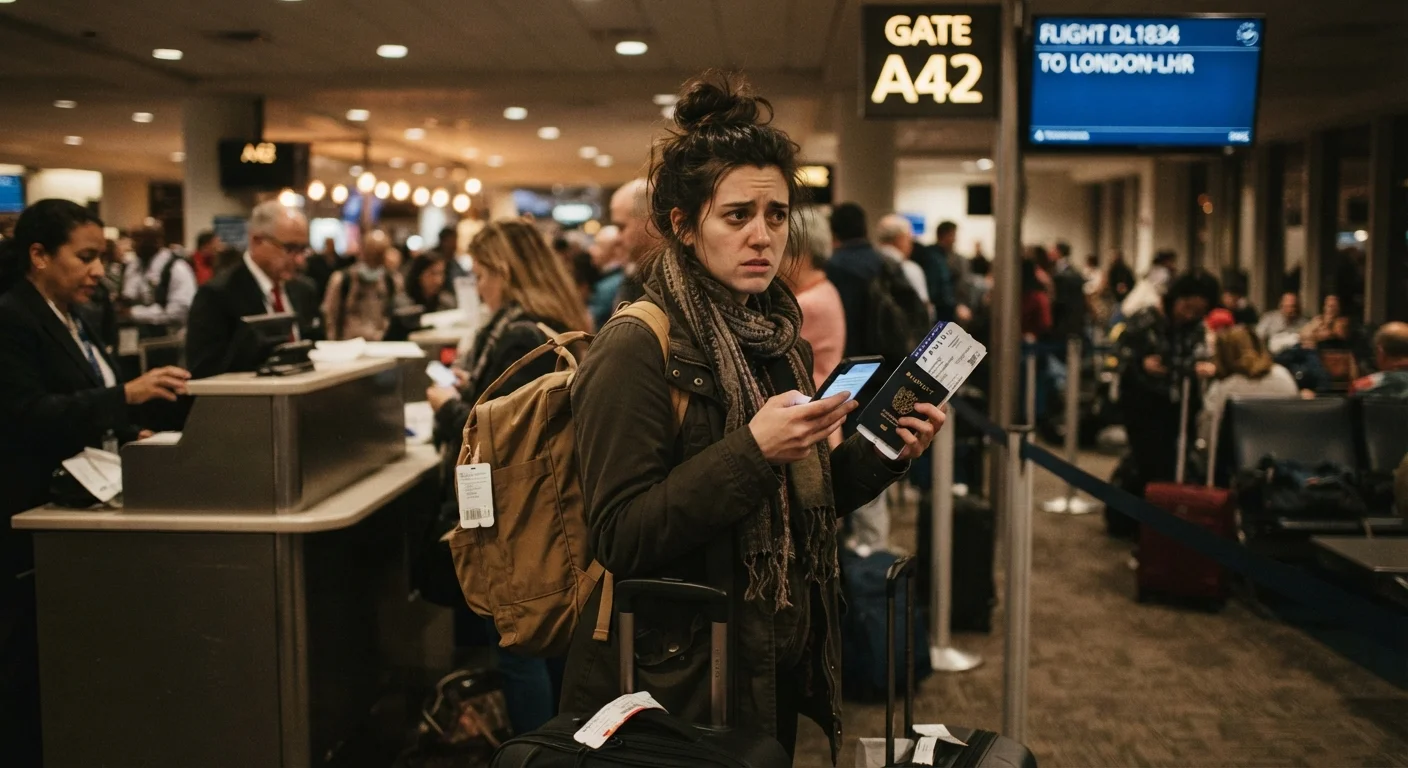
From waiting too long to purchase to misreading exclusions, these are the planning errors that often leave travelers without the protection they expected.
Key Takeaways
Buying travel insurance after a trip disruption has already begun typically voids coverage for that event.
Standard policies rarely cover pre-existing medical conditions unless a waiver is purchased early.
Credit card travel benefits have significant limits and often do not replace a standalone policy.
Cancel for any reason upgrades require purchase within a narrow window after the initial trip deposit.
Reading the actual policy document, not just a summary, is the only reliable way to know what is covered.
Why these mistakes are so common
Travel insurance is purchased infrequently, often once or twice a year at most, so most buyers have little practice reading policies or comparing plans. The purchase usually happens under time pressure, right after booking a trip, when attention is on logistics rather than fine print. That combination produces predictable errors: assumptions carried over from other insurance types, misplaced confidence in credit card perks, and a habit of skimming summaries instead of reading terms.
The consequences show up at claim time, not at purchase. A traveler who cancels a trip for a reason not on the covered list, or who needs emergency care for a condition flagged as pre-existing, may receive nothing despite having paid for a policy. Understanding where assumptions break down is the first step toward buying coverage that actually works.
Purchasing after a known event
If a hurricane is already named or a travel advisory has been issued before you buy a policy, coverage for that specific event is typically excluded. Insurance is designed to cover unknown future events, not disruptions already in progress. Once a situation becomes foreseeable, most policies will not pay claims related to it.
The mistakes, explained
1
Waiting until just before departure to buy a policy.
Why it happens: Many travelers treat insurance as an afterthought, purchasing it the same week they leave rather than when they book the trip.
How to avoid: Purchase coverage shortly after making your first trip deposit. Buying early unlocks time-sensitive benefits such as pre-existing condition waivers and cancel for any reason upgrades, which are typically unavailable closer to departure. The timing of your purchase directly shapes which protections you can access.
2
Assuming a credit card's travel benefits provide full trip protection.
Why it happens: Card issuers advertise travel perks prominently, so cardholders often assume those perks cover the same ground as a standalone policy.
How to avoid: Review what your card actually covers in its benefits guide. Credit card travel protections typically cap trip cancellation reimbursement at modest amounts, exclude medical evacuation, and require that the entire trip be charged to the card. For trips with significant non-refundable costs or international medical exposure, a standalone policy generally provides broader coverage.
3
Overlooking pre-existing medical condition exclusions.
Why it happens: The term 'pre-existing condition' sounds straightforward, but policies define it in specific, often narrow ways that many buyers do not read carefully.
How to avoid: Check how the policy defines a pre-existing condition and whether a waiver is available. Most waivers require purchase within 14 to 21 days of the initial trip deposit and that you be medically fit to travel at the time of purchase. The overview of pre-existing condition coverage explains what travelers with ongoing health concerns generally need to understand.
4
Misunderstanding what 'trip cancellation' coverage actually pays for.
Why it happens: Travelers assume any reason they might cancel qualifies, when in fact standard policies cover only a defined list of covered reasons.
How to avoid: Read the covered reasons list in the policy before purchase. Standard trip cancellation coverage typically includes sudden illness, death of a family member, jury duty, and certain natural disasters, not a change of plans or work schedule conflicts. If flexibility matters, look into whether a cancel for any reason upgrade fits your situation, keeping in mind it has its own conditions and purchase deadlines.
5
Relying solely on a plan summary rather than the full policy document.
Why it happens: Summary pages are short and readable; the full policy document can run many pages, so most buyers stop at the summary.
How to avoid: Before finalizing a purchase, download and review the full policy, specifically the exclusions section and any definitions of key terms. Gaps that surprise travelers at claim time, such as adventure activity exclusions or sub-limits on baggage, are almost always disclosed in the full document. This pattern of discovering coverage gaps too late mirrors what happens with other insurance types, as described in the article on common health coverage gaps.
6
Buying coverage with trip cost limits lower than the actual non-refundable costs.
Why it happens: Travelers sometimes insure only part of the trip cost to reduce the premium, not realizing this leaves a proportional gap in any reimbursement.
How to avoid: Total all non-refundable, prepaid expenses, including flights, hotels, tours, and event tickets, and insure the full amount. Underinsuring the trip means that in a partial-loss scenario, the payout is reduced proportionally. The travel planning checklist can help you account for every prepaid cost before you finalize coverage.
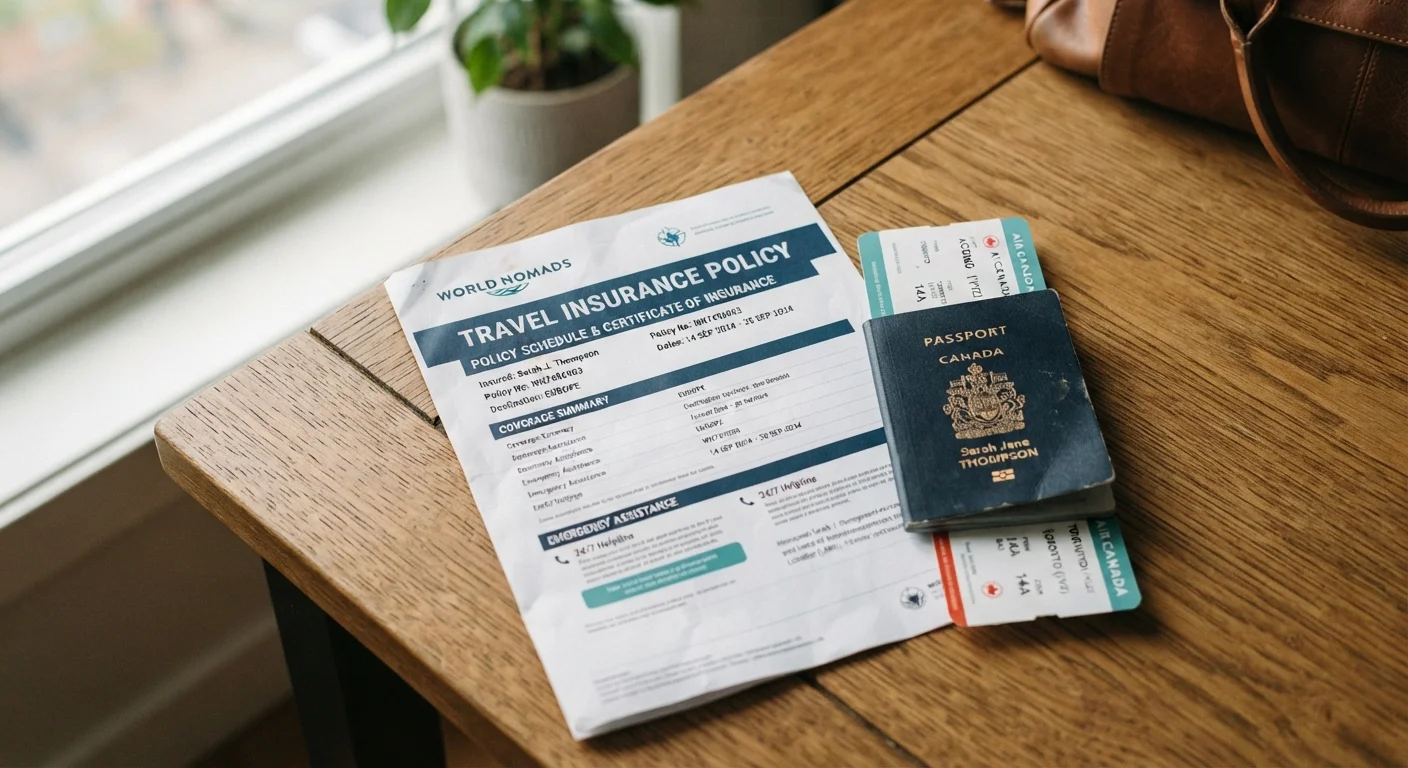
Policy documents contain the exclusions and conditions that determine whether a claim will be paid.
Each of the mistakes above follows the same pattern: a reasonable-sounding assumption collides with a specific policy condition. The fix in most cases is not buying a more expensive plan; it is reading the plan you have with enough attention to know what it covers and what it does not.
For travelers who want to review their overall pre-trip preparation alongside their insurance decisions, the travel planning checklist for U.S. travelers covers the broader set of steps worth completing before departure.
This article is for general informational purposes only and does not constitute insurance, financial, or legal advice. Coverage terms, exclusions, and eligibility vary by policy and provider. Read your full policy documents carefully and consult a licensed insurance professional for guidance specific to your situation.
Travel Editorial Team is the collective byline for our editorial team and contributor network. Articles published under this byline or an editorial pen name are researched, written, and reviewed according to our editorial standards for clarity, consistency, and independence before publication.
The content provided on our blog site traverses numerous categories, offering readers valuable and practical information. Readers can use the editorial team’s research and data to gain more insights into their topics of interest. However, they are requested not to treat the articles as conclusive. The website team cannot be held responsible for differences in data or inaccuracies found across other platforms. Please also note that the site might also miss out on various schemes and offers available that the readers may find more beneficial than the ones we cover.