
How CFAR differs from standard trip cancellation
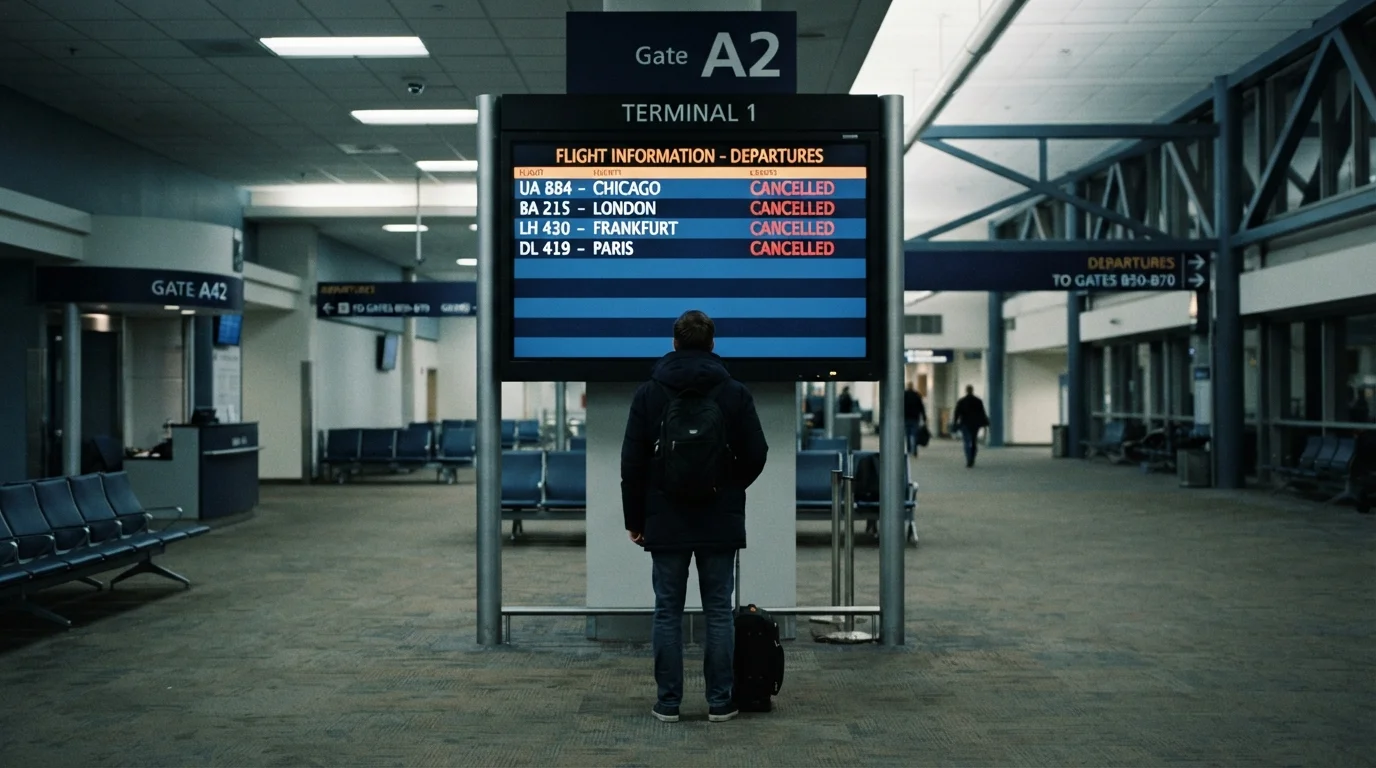
Standard trip cancellation coverage is built around a list of covered reasons. If your reason for canceling appears on that list, your insurer may reimburse your nonrefundable costs. If it does not, the claim is denied. Covered reasons typically include things like serious illness, a death in the family, severe weather at the destination, or a job loss.
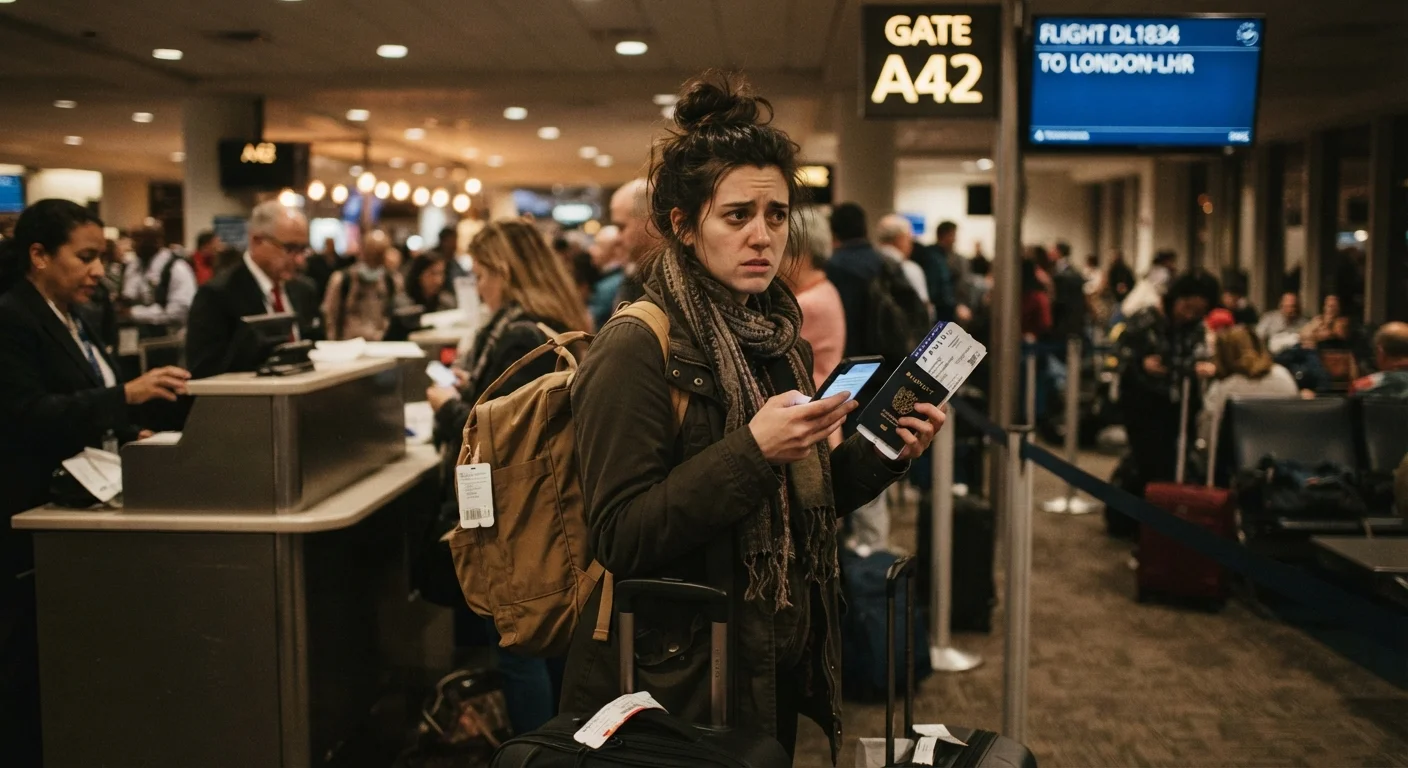
CFAR removes the need to match a covered reason. You can cancel because you are nervous about traveling, because plans changed at work, or simply because you no longer want to go. The tradeoff is that CFAR does not reimburse everything. Policies generally return 50% to 75% of your prepaid nonrefundable costs, not the full amount.
That gap matters when you are comparing the two options. Standard trip cancellation can cover 100% of qualifying costs when a covered event occurs. CFAR caps reimbursement below that ceiling in exchange for broader flexibility. Neither option is universally better; the right one depends on the type of trip and your circumstances.
Conditions that govern CFAR coverage
CFAR comes with several conditions that travelers often overlook. Missing any one of them can void your ability to use the upgrade.
- Purchase window: Most insurers require you to add CFAR within 14 to 21 days of paying your first trip deposit. After that window closes, the upgrade is no longer available on that policy.
- Cancellation deadline: You must cancel at least 48 to 72 hours before scheduled departure. Same-day cancellations and no-shows do not qualify.
- Insured amount: Some policies require you to insure 100% of your prepaid nonrefundable costs to be eligible for CFAR. Insuring only part of the trip may disqualify the entire upgrade.
- Base policy requirement: CFAR is an add-on. You cannot purchase it without also having a qualifying base travel insurance policy in place.

Because conditions vary by insurer, reading the actual policy document before purchase is the only way to confirm what applies to your specific plan. Common purchasing mistakes often stem from assuming coverage works in a particular way without checking the policy language first.
When CFAR makes sense to consider
CFAR is not a fit for every trip. The upgrade adds to your premium, sometimes by 40% to 50% above the base policy cost. For shorter or less expensive trips, that added cost may exceed the benefit.
Travelers with large, nonrefundable bookings and genuine uncertainty about their plans are the most common candidates. This includes people booking far in advance, those with unpredictable work schedules, or travelers who are unsure whether conditions at their destination will suit them when the time comes.
Check the purchase window immediately
The CFAR purchase window typically opens the moment you make your first trip deposit and closes within two to three weeks. If you are considering CFAR, review your options at the same time you book, not later. Waiting even a few weeks can eliminate the choice entirely.
CFAR is also worth examining if your concern does not fit neatly into standard covered reasons. For example, anxiety about a destination's current situation, a change in travel companions, or a personal preference shift are not covered under standard cancellation policies but would be eligible under CFAR.
For travelers with health concerns, CFAR alone is not a substitute for medical coverage. Pre-existing condition coverage addresses different risks and operates under separate rules within a policy.
This article is for general informational purposes only and is not personalized insurance or financial advice. Policy terms, conditions, and reimbursement percentages vary by provider. Read policy documents carefully and consult a licensed insurance professional before making coverage decisions.