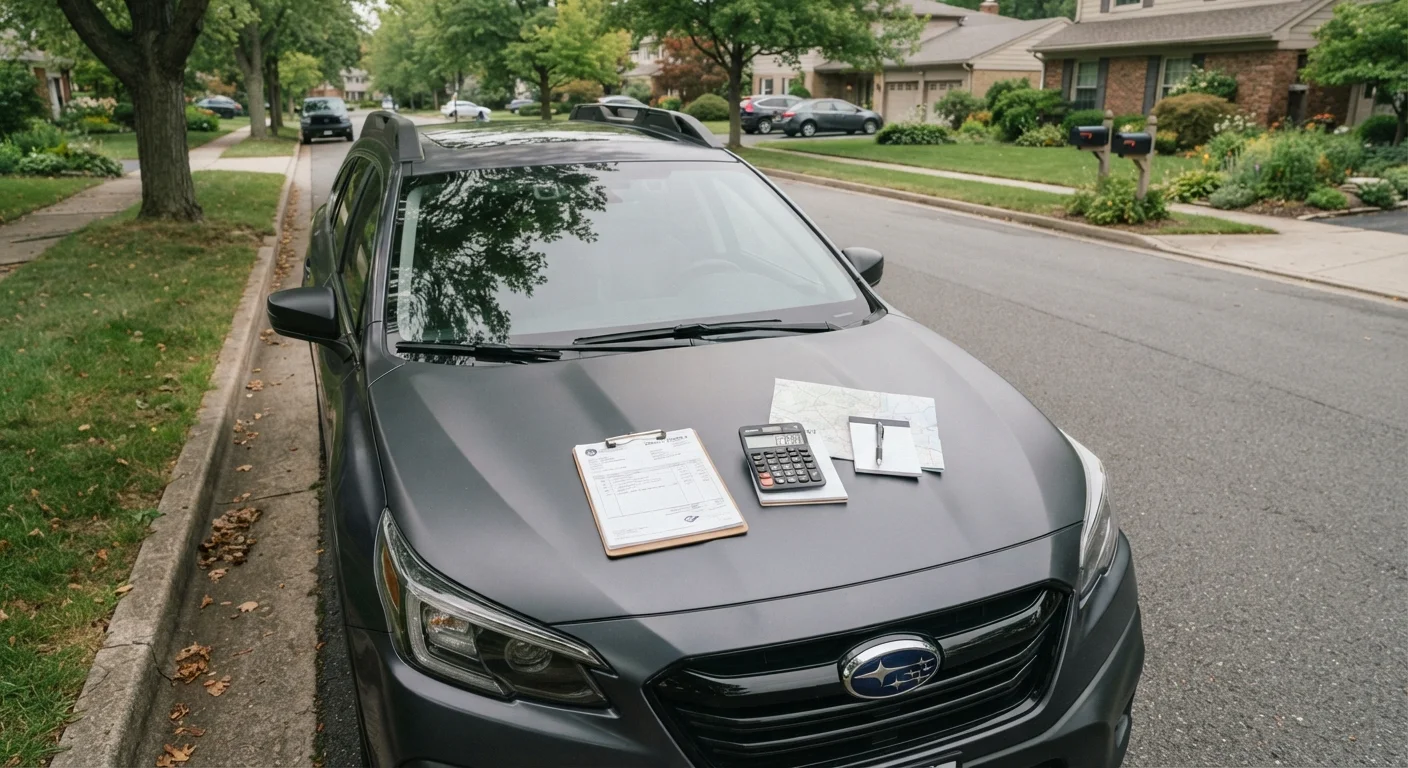

Why insurers raise rates after a claim
Auto insurance pricing is built on risk. Insurers collect data across millions of policyholders and use it to estimate how likely any given driver is to cost them money in the future. A claims history is one of the stronger signals in that calculation.
When you file a claim, your insurer updates its picture of your risk profile. A driver who has filed one at-fault claim is statistically more likely to file another than a driver with a clean record. The rate increase reflects that revised estimate, not a penalty in the moral sense.
This is part of a broader set of factors insurers weigh. See what else goes into your car insurance rate for the full picture.
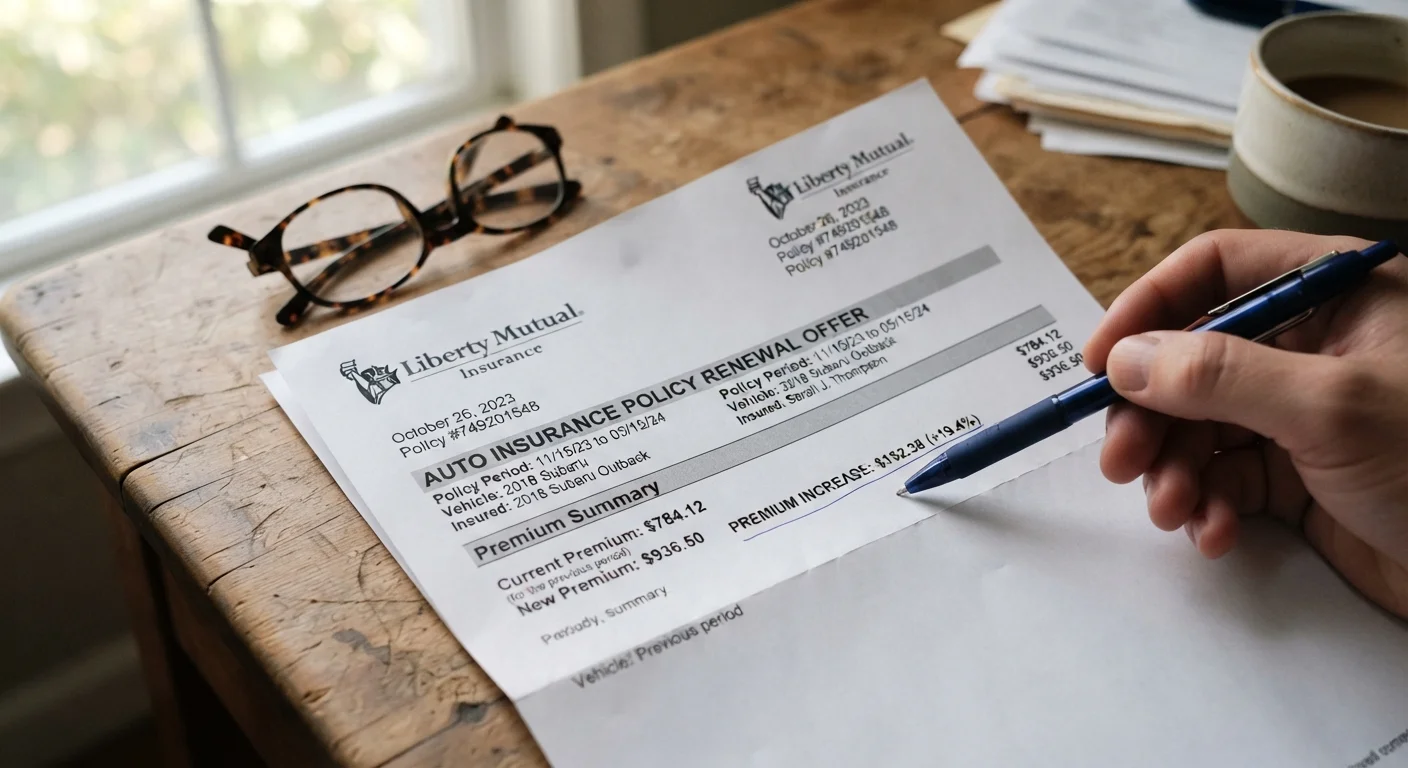
What determines how much your rate changes
Not all claims hit your premium equally. Several variables shape the size of any increase.
- Fault. At-fault claims almost always carry a larger surcharge than not-at-fault claims. Some states bar insurers from raising rates on not-at-fault incidents at all.
- Claim type. Comprehensive claims (theft, hail, a fallen tree) are generally treated differently from collision claims because they are not tied to your driving behavior. Many insurers do not surcharge comprehensive claims, though policies vary.
- Claim amount. A larger payout tends to produce a larger surcharge. A fender-bender claim for a few hundred dollars often carries a smaller impact than a multi-thousand-dollar collision.
- Your prior record. A single claim on an otherwise clean record is treated differently than a claim on top of previous incidents or traffic violations.
Before filing a small claim, do the math
If the repair estimate is only slightly above your deductible, consider whether the out-of-pocket savings justify a potential multi-year rate increase. For example, paying $600 yourself instead of filing a claim with a $500 deductible may cost less over three years than the cumulative surcharge. A licensed agent can help you model this for your specific policy.
How long the increase lasts
Most insurers use a three-to-five-year lookback window for claims. Once a claim ages out of that window, it generally stops factoring into your premium. The exact timeline depends on your insurer and your state's rules.
Some surcharges are structured in steps: the increase is steeper in year one and decreases gradually before dropping off entirely. Others apply a flat surcharge for the full window. Your policy documents or a licensed agent can clarify how your insurer handles this.
Accident forgiveness and other options
Some insurers offer accident forgiveness, a feature that waives the surcharge after a first at-fault claim. It is often available as an add-on or as a reward for years of claim-free driving. It does not erase the accident from your record, but it shields your premium from that one event.
If a rate increase is significant, it is worth reviewing your full policy before the next renewal. Outdated coverage limits or duplicate protections can sometimes offset costs. This coverage review checklist walks through what to look at before renewing.
Your deductible also matters here. A higher deductible lowers your base premium, but it also raises the threshold where filing a claim makes financial sense. How deductibles affect premiums and out-of-pocket costs is explained in more detail in a related article, and the same logic applies to auto policies.
This article is for general informational purposes only and is not personalized insurance or financial advice. Coverage terms, surcharge rules, and state regulations vary by insurer and location. Consult a licensed insurance agent for guidance specific to your policy and situation.