What each coverage actually does
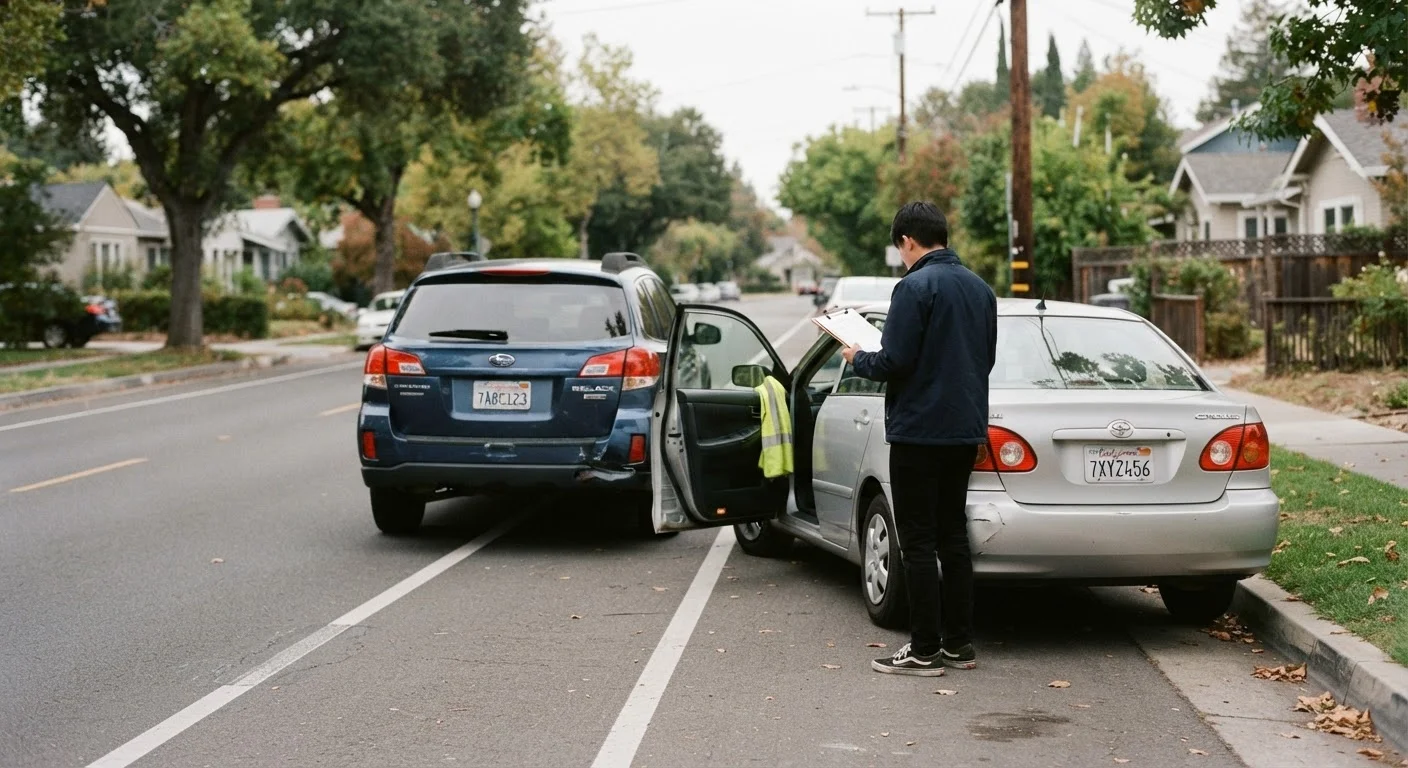
Uninsured motorist (UM) coverage pays for your injuries and, in many cases, damage to your vehicle when a driver with no insurance at all causes an accident. It can also apply in a hit-and-run situation, where the at-fault driver cannot be identified. Without it, your only option to recover costs from an uninsured driver is a civil lawsuit, which is often impractical when the other driver has no insurance because they also have few assets.
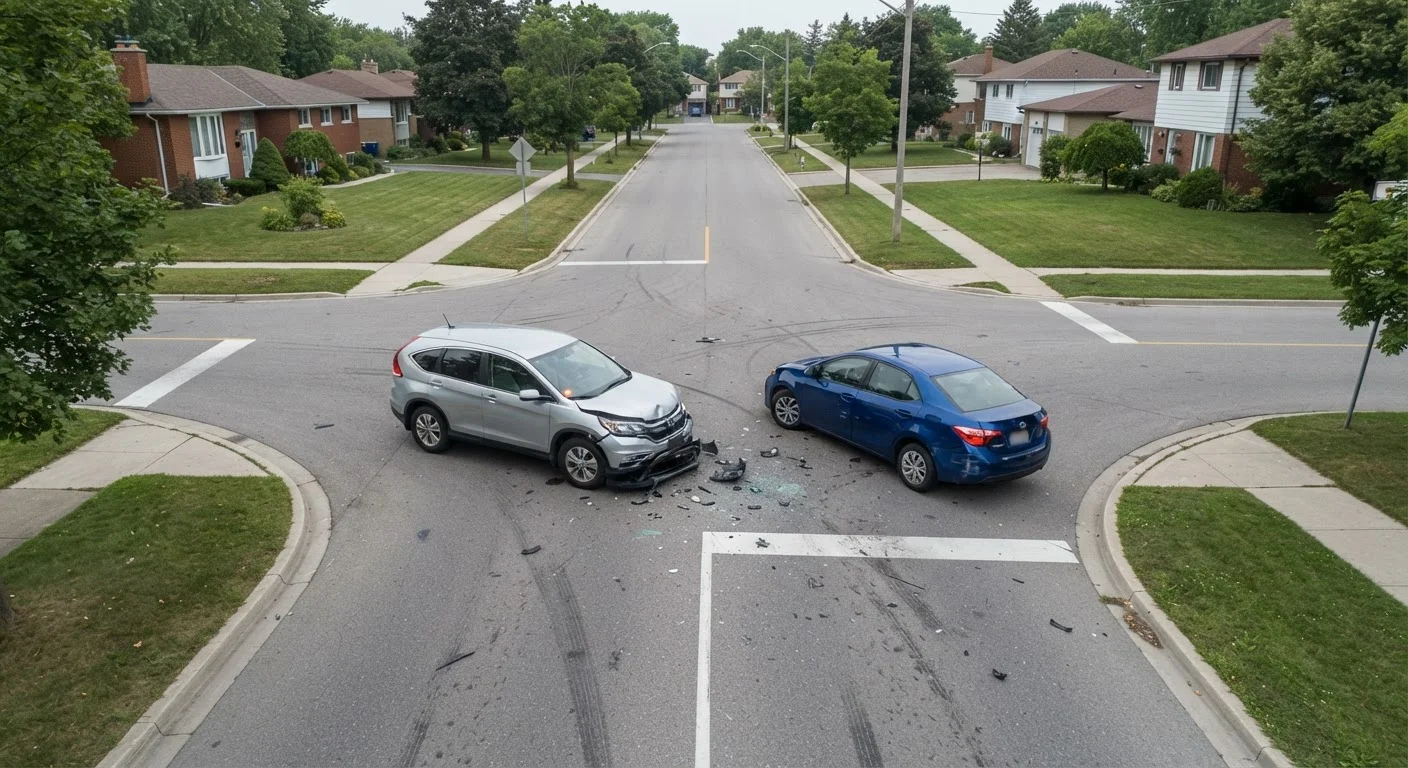
Underinsured motorist (UIM) coverage fills the gap when the at-fault driver does have insurance, but their policy limits are too low to cover your total losses. For example, if your medical bills total $60,000 and the at-fault driver carries only $25,000 in liability coverage, your UIM coverage can pay the remaining $35,000, up to your own policy limits.
Both coverages are often sold as a pair, but they are not interchangeable. The Insurance Research Council has estimated that roughly 1 in 7 U.S. drivers is uninsured, and many insured drivers carry only state-minimum liability limits, which can be quite low. See how state minimum limits are structured to understand what those numbers mean in practice.
Bodily injury vs. property damage components
Both UM and UIM coverage commonly come in two forms:
- Bodily injury: covers medical expenses, lost wages, and pain and suffering for you and passengers in your vehicle.
- Property damage: covers repairs to your vehicle. This component is abbreviated UMPD (uninsured motorist property damage) and is not available in every state.
Some states require you to carry uninsured motorist bodily injury coverage but make the property damage portion optional. Others bundle them. Because the rules differ, understanding the trade-offs of minimum coverage is worth reading alongside your state's specific requirements.

If your car is damaged by an uninsured driver, collision coverage is another way to pay for repairs, though a deductible typically applies. UMPD may or may not carry a deductible depending on your state and policy.
How limits work in practice
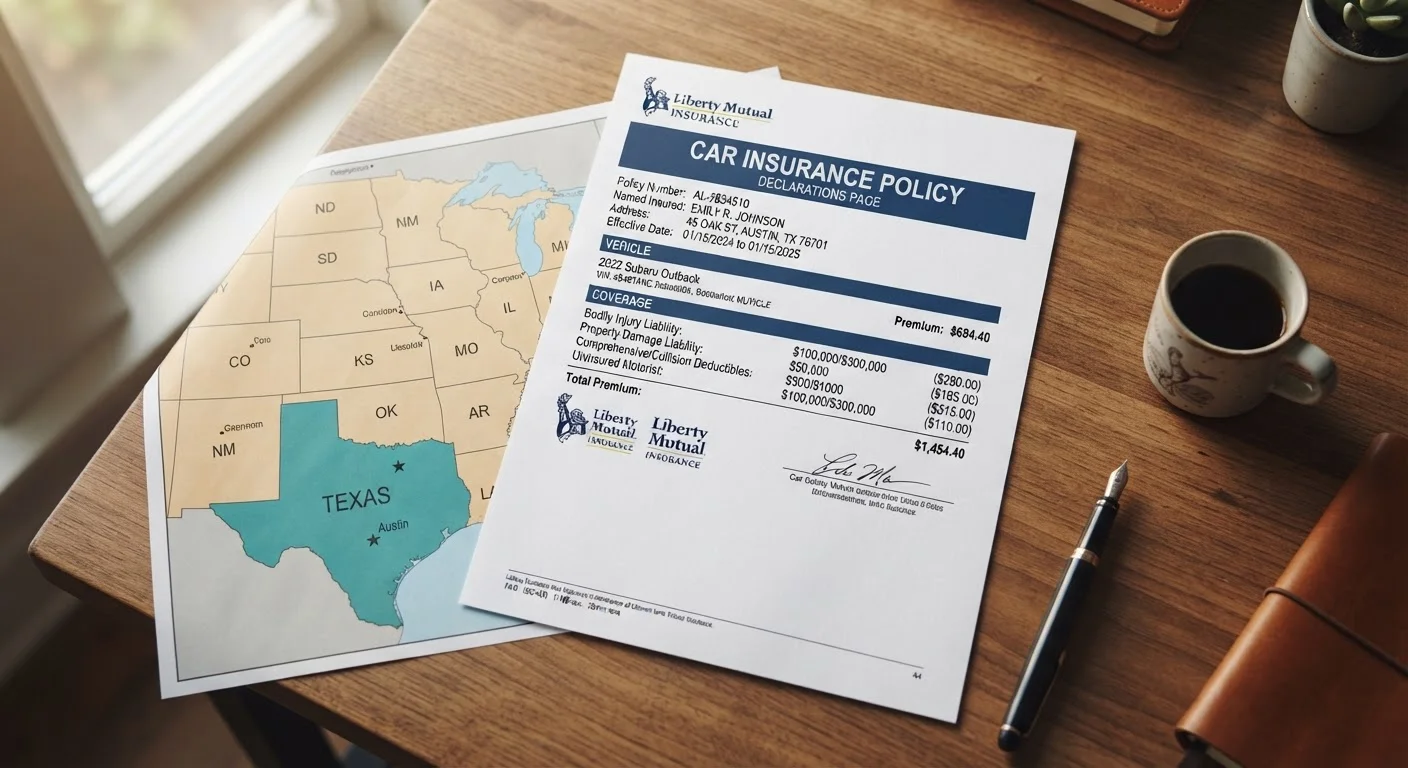
UM and UIM limits mirror the structure of liability coverage. A policy might show limits like 100/300, meaning $100,000 per person and $300,000 per accident for bodily injury. Some policies use a single combined limit instead.
Your UIM coverage only pays once the at-fault driver's liability limits are exhausted. If that driver carries $50,000 in liability and you have $100,000 in UIM coverage, you can collect up to $100,000 total from both sources combined, not $100,000 on top of the $50,000. Policies vary on this stacking question, and some states restrict it. Reading the declarations page of your policy or asking a licensed agent will clarify how your specific coverage works.
For injury-related costs that fall outside what UM or UIM covers, medical payments coverage and personal injury protection are worth considering alongside these coverages.
State rules vary considerably
Some states require both UM and UIM coverage; others require only UM bodily injury; others make both optional. A handful of states do not permit insurers to offer UIM as a separate coverage at all. Check your state's department of insurance website or ask a licensed agent for the rules that apply to your policy.
This article is general educational information about auto insurance coverage types. Coverage terms, limits, exclusions, and state requirements vary by insurer and location. Read your policy documents and consult a licensed insurance agent for guidance specific to your situation.